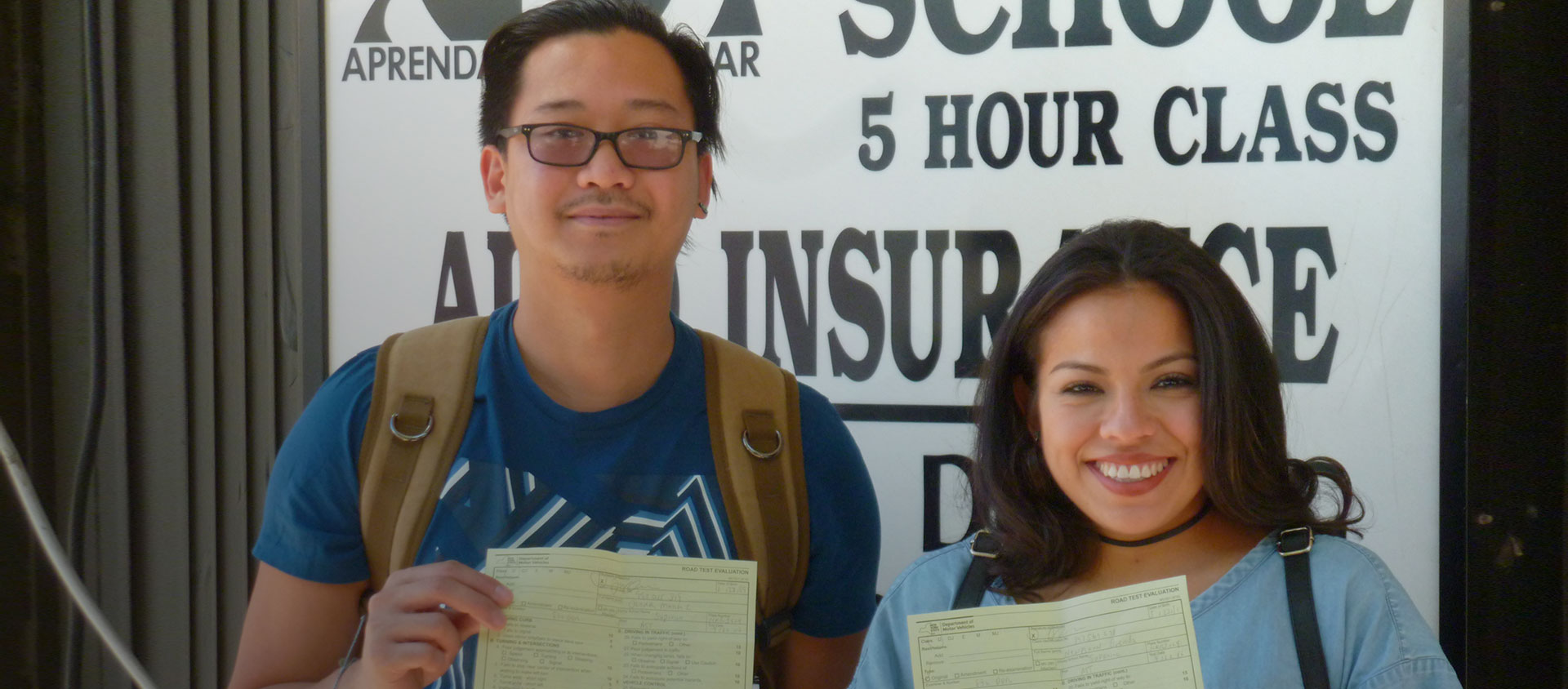

Learning to drive is a rite of passage, a significant step toward independence and freedom. But with that freedom comes immense responsibility. The road is a complex environment, and for a new driver, it can be overwhelming. Every driver, no matter how experienced, was once a beginner. And every beginner makes mistakes. The key is to learn from them, develop good habits early, and understand the common pitfalls so you can actively work to avoid them.
This comprehensive guide is designed to shine a light on the most frequent errors that new drivers make. We’ll explore everything from improper speed control and poor scanning habits to overconfidence and distracted driving. More importantly, we’ll provide practical, actionable advice on how to steer clear of these mistakes. By understanding these common challenges, you can build a strong foundation of safe driving practices that will serve you not just for your road test, but for a lifetime behind the wheel.
Foundational Errors: Mistakes in Basic Car Control
Before you can navigate complex traffic, you must have complete control over your vehicle. Many beginner mistakes stem from a lack of confidence or practice with the car’s most basic functions.
1. Jerky Acceleration and Abrupt Braking
One of the most obvious signs of a novice driver is a car that lurches forward and stops with a jolt. This happens due to improper pedal control—stomping on the accelerator or slamming on the brakes.
- Why it’s a problem: Besides being uncomfortable for you and your passengers, jerky driving is unsafe. Abrupt stops increase the risk of being rear-ended, while sudden acceleration can cause you to lose traction or surprise other drivers. It also demonstrates a lack of vehicle control.
- How to avoid it: The solution is practice and a gentle touch. Find an empty parking lot to get a feel for the pedals. Imagine an egg is under your foot; apply pressure smoothly and gradually. To brake smoothly, look far ahead and anticipate your stops. Ease off the accelerator to begin slowing down naturally before applying light, steady pressure to the brake pedal. Consistent practice builds the muscle memory needed for smooth operation. For more on developing these essential skills, consider enrolling in our driving lessons.
2. Improper Steering and Hand Position
New drivers often have a “death grip” on the steering wheel or use incorrect hand positions. The classic “10 and 2” position is still widely taught, but many modern safety experts now recommend “9 and 3” or even “8 and 4.” These lower positions keep your arms out of the way of the airbag if it deploys. Another common steering error is hand-over-hand turning that is sloppy or letting the wheel spin back on its own.
- Why it’s a problem: An improper grip can lead to fatigue and less precise steering control. Letting the wheel slide through your hands to straighten out can result in losing control if you need to make a sudden adjustment.
- How to avoid it: Settle on a comfortable and correct hand position (9 and 3 is excellent). Hold the wheel firmly but not too tightly. When turning, practice smooth hand-over-hand or push-pull steering techniques. Consciously guide the wheel back to the center position instead of letting it slip. Enrolling in professional driving lessons is one of the best ways to get expert feedback on your posture and hand positioning.
3. Forgetting to Use Turn Signals (or Using Them Incorrectly)
Signaling is your way of communicating with every other road user. Forgetting to signal, signaling too late, or leaving a signal on after a turn is a classic beginner mistake.
- Why it’s a problem: Failing to signal makes your actions unpredictable. It can lead to other drivers cutting you off, pulling out in front of you, or even colliding with you. It’s a major source of frustration and a common cause of accidents.
- How to avoid it: Make signaling a habit that is as automatic as breathing. Signal every single time you turn, change lanes, pull into or out of a parking spot, or pull over to the side of the road. A good rule of thumb is to signal at least 100 feet before your turn. Also, get into the habit of checking that your signal has cancelled after you complete your maneuver.
Observational and Judgmental Errors
Driving safely is less about the mechanics of the car and more about what you see, anticipate, and decide. This is where many new drivers struggle.
4. Poor Scanning and “Tunnel Vision”
Beginner drivers often fixate on the car directly in front of them. This “tunnel vision” prevents them from seeing the bigger picture and identifying potential hazards early.
- Why it’s a problem: If you’re only looking at the bumper ahead, you have no time to react to a sudden stop two cars ahead, a pedestrian stepping into the road, or a car about to merge into your lane. You are constantly reacting instead of proactively driving.
- How to avoid it: Practice active scanning. Your eyes should always be moving. Check your rearview mirror every 5-8 seconds. Scan from side to side, looking at intersections, driveways, and sidewalks. Look far down the road to see what traffic is doing in the distance. Take advantage of our defensive driving course, where you’ll learn this core tenet—how to see hazards before they become emergencies.
5. Not Checking Blind Spots
Relying solely on your mirrors is one of the most dangerous mistakes a driver can make. Every car has blind spots—areas around the vehicle that cannot be seen in the mirrors.
- Why it’s a problem: A car, motorcycle, or cyclist could be hiding in your blind spot. Changing lanes without a physical head check (turning your head to look over your shoulder) can lead to a serious collision.
- How to avoid it: Make the “Signal, Mirror, Over-the-shoulder, Go” (SMOG) check your unwavering routine before every lane change. Signal your intention, check your rearview and side mirrors, perform a quick head check over your shoulder into the lane you want to enter, and only then, if it is clear, make your move.
6. Tailgating (Following Too Closely)
Nervousness or inattention can cause new drivers to follow the car ahead too closely. They may feel a false sense of security by staying “with the flow,” but they are actually putting themselves in grave danger.
- Why it’s a problem: Tailgating dramatically reduces your reaction time. If the car in front of you brakes suddenly, you have almost no space or time to stop safely, making a rear-end collision nearly inevitable.
- How to avoid it: Use the 3-second rule. When the car in front of you passes a fixed object (like a signpost or tree), start counting “one-one thousand, two-one thousand, three-one thousand.” If you pass the same object before you finish counting, you are too close. Ease off the gas and let the distance increase. In bad weather or at high speeds, increase this to 4 or 5 seconds.
7. Misjudging Speed and Stopping Distance
It takes time to develop an internal sense of speed and to understand how long it takes for a car to come to a stop. New drivers often approach turns too quickly or misjudge the space needed to stop for a red light or stop sign.
- Why it’s a problem: Coming into a turn too hot can cause you to lose control or swing into another lane. Misjudging stopping distance leads to abrupt, panicked braking or, in the worst case, running a red light or stop sign.
- How to avoid it: Pay close attention to your speedometer. When approaching a turn, start slowing down well in advance. As mentioned before, look far ahead. The earlier you see a red light, the more time you have to plan a gradual, smooth stop. The mandatory 5 Hour Pre-Licensing Class covers these topics in detail, explaining the physics of braking and the factors that affect stopping distance.
Navigating Specific Situations: Common Sticking Points
Certain maneuvers and environments present unique challenges for beginners.
8. Panicking During Merges
Merging onto a highway is one of the most intimidating tasks for a new driver. It requires you to match the speed of fast-moving traffic and find a gap, all within a short acceleration lane. Panic often leads to either merging too slowly or stopping at the end of the ramp—both of which are extremely dangerous.
- Why it’s a problem: Merging too slowly forces oncoming traffic to brake hard, creating a hazardous situation. Stopping on the ramp is even worse, as you now have to accelerate from 0 mph into traffic moving at 60 mph or more.
- How to avoid it: The key is to use the acceleration lane for its intended purpose: to accelerate. As you move down the ramp, look over your shoulder to identify a gap in traffic. Adjust your speed to match the flow of traffic on the highway. Signal, check your blind spot one last time, and merge decisively into the gap. Professional driving lessons are invaluable for practicing this skill with an expert who can guide you.
9. Difficulty with Parking Maneuvers
Parallel parking and 3-point turns are notoriously difficult for beginners. The fear of hitting another car or taking too long can lead to rushed, sloppy attempts.
- Why it’s a problem: Poor parking skills can result in dings, dents, or blocking traffic. On a road test, failing a parking maneuver can be an automatic fail.
- How to avoid it: Practice, practice, practice. Don’t avoid it; master it. Use a step-by-step method and practice in an empty lot with cones before moving to a quiet street. Break down each maneuver into small, manageable parts. The patient guidance of an instructor can make all the difference, as many of our students have noted in their testimonials.
10. Distracted Driving
While this is a problem for drivers of all experience levels, beginners are particularly vulnerable because they have less spare mental capacity. Fiddling with the radio, checking a text message, talking to passengers, or even eating can have disastrous consequences.
- Why it’s a problem: Distracted driving is a leading cause of accidents. It delays reaction times as much as driving while intoxicated. For a new driver who needs all their focus on the road, even a momentary distraction can be catastrophic.
- How to avoid it: Set a zero-tolerance policy for distractions. Put your phone on silent and place it out of reach before you start the car. Set your GPS and music before you put the car in drive. If you need to have a serious conversation with a passenger, pull over. Your primary and only job when behind the wheel is to drive.
The Mental Game: Attitude and Overconfidence
Finally, some of the biggest mistakes are related to a new driver’s mindset.
11. Overconfidence After a Few Weeks
A little bit of knowledge can be a dangerous thing. After a few weeks of driving, a new driver might start to feel they’ve mastered it. This overconfidence can lead to taking unnecessary risks, such as speeding, not paying full attention, or trying to show off.
- Why it’s a problem: Overconfidence leads to complacency. It causes drivers to neglect the good, safe habits they were taught, believing they “know better.” This is often when preventable accidents happen.
- How to avoid it: Stay humble. Recognize that driving is a lifelong learning process. You will always encounter new situations and challenges. Continue to consciously practice the fundamentals—scanning, signaling, maintaining a safe following distance—on every single drive. Our 5 Hour Pre-Licensing Class can reinforce these foundational habits.
12. Succumbing to Peer Pressure
When a new driver has friends in the car, the dynamic changes. The pressure to speed, play loud music, or pay more attention to passengers than the road can be immense.
- Why it’s a problem: Most states have restrictions on the number of non-family passengers a new driver can have for this very reason. Passengers are a major source of distraction and can encourage risky behavior.
- How to avoid it: As the driver, you are the pilot in command. You are responsible for the safety of everyone in your vehicle. Be firm and set boundaries. If your friends are being a distraction, tell them so. If they want you to do something unsafe, refuse. A true friend will respect your commitment to safety.
The Ultimate Solution: Education and Practice
Avoiding these common mistakes boils down to two things: proper education and deliberate practice. You can’t just avoid mistakes; you must actively build good habits to replace them. This is where professional driver training is not just helpful, but essential. An instructor can provide immediate, personalized feedback, correct errors before they become habits, and guide you through challenging situations in a safe, controlled environment.
If you’re ready to build a foundation of safe driving habits and gain the confidence you need to navigate the road safely, we’re here to help. Contact us today to learn more about our lesson packages, pre-licensing classes, defensive driving courses, and how we can tailor a program to your specific needs. The goal isn’t just to pass a test, but to become a safe, confident, and responsible driver for life.
And if you’d like to hear about others who have succeeded on this journey, don’t forget to check out our testimonials from new drivers just like you!
Learn to Drive with Superior Driving School
We believe these lessons can last a lifetime and know they result in safer roads and save lives! We have been a trusted Queens NY driving school for more than two decades!
Contact Us