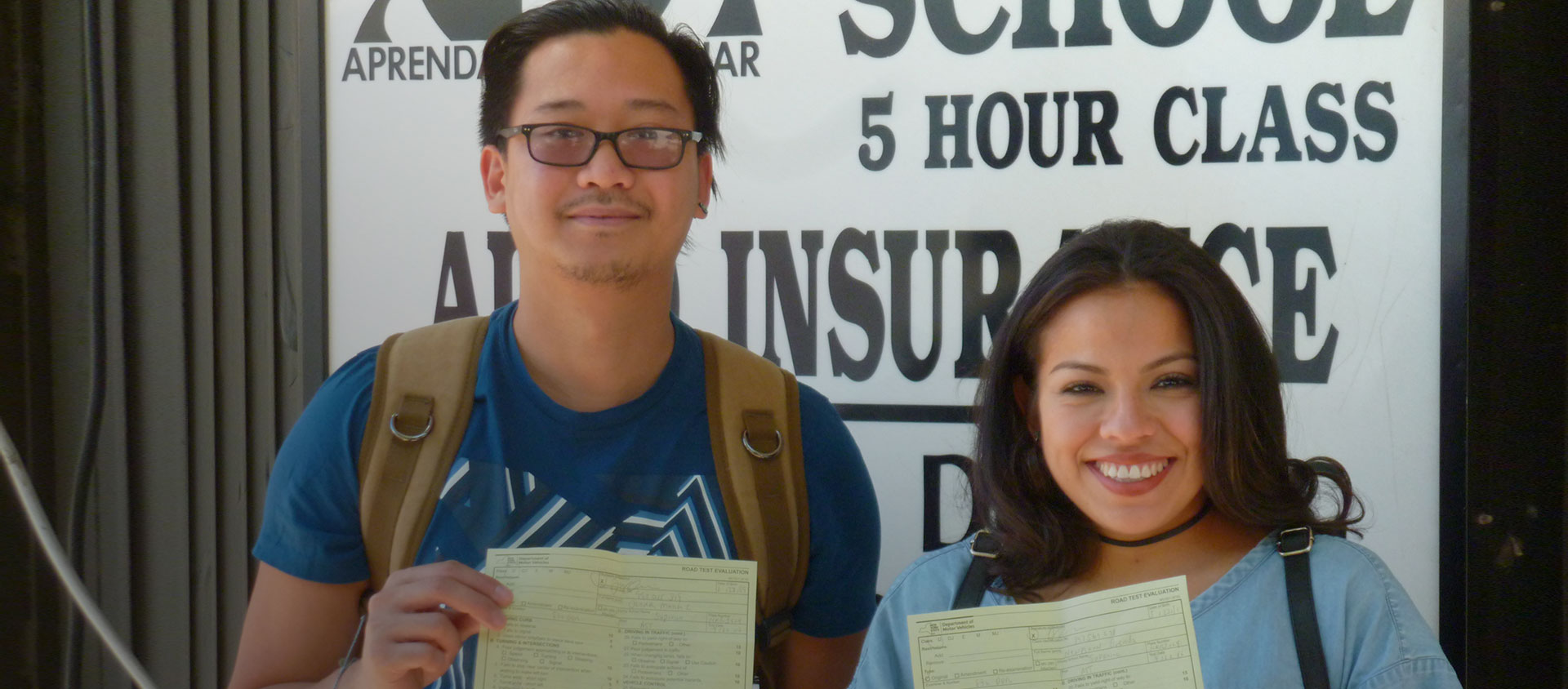

The day has finally arrived. After countless hours of practice, completing your 5-hour pre-licensing class, and mastering maneuvers like the three-point turn, your road test is here. This single event stands between you and the freedom of a driver’s license. It’s completely normal to feel a mix of excitement and anxiety. The key to success on road test day isn’t just about your driving skills; it’s also about being prepared for the entire process, from the moment you wake up to the minutes after the test concludes.
A smooth road test day involves more than just getting behind the wheel. It requires having the right documents, knowing what the examiner expects, managing your nerves, and understanding the next steps, regardless of the outcome. This comprehensive guide will walk you through everything you need to know about what to bring, what to expect during the test, and what to do afterward. Proper preparation can transform test-day jitters into calm confidence, allowing your skills to shine through.
The Ultimate Pre-Test Checklist: What to Bring
Arriving at the DMV unprepared is a surefire way to increase your stress levels and could even prevent you from taking the test at all. Before you leave the house, run through this checklist to ensure you have everything you need.
Essential Documents and Items
- Your Learner Permit: This is non-negotiable. You must present your valid photo learner permit. Make sure it’s not expired and is in good condition.
- 5-Hour Pre-Licensing Course Certificate (MV-278): You must bring the original certificate you received after completing your pre-licensing course. It is valid for one year from the date it was issued.
- A Licensed Supervising Driver: You need a driver who is 21 years of age or older and holds a valid license to operate the test vehicle. This person must accompany you to the test site.
- A Test-Ready Vehicle: The car you use must be properly registered, insured, and inspected. It must be in good working order, with functional seatbelts, brakes, headlights, taillights, and horn. The examiner will perform a basic safety check before the test begins.
- Vehicle Registration and Insurance: You must have the original, valid registration and insurance card for the test vehicle. Photocopies are typically not accepted.
- Corrective Lenses: If your learner permit has a “corrective lenses” restriction, you must be wearing your glasses or contact lenses.
- Confirmation of Your Appointment: While not always required, having your road test confirmation email or number handy can be helpful.
Having all these items organized and ready to go will start your day on a calm, controlled note. It shows the examiner you are responsible and serious about the process. Many driving schools, including ours, offer packages that include the use of a car for the road test, ensuring the vehicle is properly insured, inspected, and familiar to you. For any questions about what’s required, you can always contact us ahead of time.
What to Expect During the Road Test
Knowing the sequence of events can help demystify the road test and reduce anxiety. The entire process, from meeting the examiner to finishing the route, is structured and follows a standard procedure.
The Pre-Test Vehicle Check
Before you even start driving, the examiner will conduct a brief safety inspection of your vehicle. They may ask you to demonstrate that the following are working:
- Brakes: The examiner will check that the brake lights illuminate when you press the pedal.
- Horn: A quick tap to show it works.
- Turn Signals: You’ll be asked to show both left and right signals, for the front and back of the car.
- Headlights and High Beams: You may be asked to turn them on and off.
- Windshield Wipers: A quick test to ensure they function.
- Seatbelts: The examiner will check for a functioning seatbelt in the passenger seat.
The examiner will also check the general condition of the car. A cracked windshield that obstructs the driver’s view or bald tires could lead to the test being canceled before it even starts.
The Examiner and Their Role
Your road test examiner is a professional whose job is to objectively evaluate your driving skills based on a standardized scoring system. They are not there to trick you or make you fail. They will give you clear, simple instructions, such as “turn right at the next corner” or “pull over to the curb.”
- Communication is Minimal: Do not expect a lot of conversation. The examiner will likely be quiet and focused on observing your driving and marking their scoresheet. This is normal. Don’t interpret their silence as a sign that you are doing poorly.
- Follow Instructions Safely: Listen carefully to each instruction. If you do not hear or understand something, it is perfectly acceptable to ask, “Could you please repeat that?” It is better to ask for clarification than to perform the wrong maneuver.
- Focus on Your Driving: Your job is to focus on the road and demonstrate safe driving practices. The examiner’s job is to evaluate. Don’t get distracted by their presence or their note-taking.
The Driving Portion: Key Skills Being Assessed
The road test typically lasts between 10 to 15 minutes and covers a range of everyday driving situations. The examiner is assessing your ability to operate the vehicle safely and legally. Key areas of focus include:
- Observation: This is critical. Examiners want to see that you are constantly scanning your surroundings. Exaggerate your head movements when you check your mirrors (rear-view and side-view) and your blind spots (looking over your shoulder). This shows the examiner you are actively aware.
- Steering and Control: Maintain a steady, smooth path. Use the proper hand-over-hand or push-pull steering method. Keep both hands on the wheel unless you are signaling or shifting gears.
- Speed Management: Adhere to the speed limit. Do not drive excessively slow out of caution, as this can impede traffic. Adjust your speed appropriately for weather conditions or traffic.
- Stopping: Come to a full and complete stop behind the white line at stop signs and red lights. Avoid “rolling stops.”
- Turns: Signal your turns at least 100 feet in advance. Slow down before the turn, and check for pedestrians and cross-traffic. Finish the turn in the correct lane.
- Following Distance: Maintain a safe following distance of at least three seconds behind the vehicle in front of you. Increase this distance in poor weather.
- Required Maneuvers: You will be asked to perform specific maneuvers, most commonly a three-point turn and parallel parking. These are skills best perfected with professional guidance from driving lessons.
Tips for Staying Calm and Confident
Nerves are the biggest enemy on test day. Here’s how to keep them in check:
- Get a Good Night’s Sleep: Being well-rested improves focus and reduces anxiety.
- Eat a Light Meal: Don’t take your test on an empty stomach. A light meal or snack can help stabilize your blood sugar and improve concentration.
- Arrive Early: Rushing adds unnecessary stress. Arrive at the test site at least 15-30 minutes early to give yourself time to park, use the restroom, and mentally prepare.
- Take Deep Breaths: If you feel anxiety creeping in, take a few slow, deep breaths. This simple action can lower your heart rate and clear your mind.
- One Mistake Isn’t Failure: If you make a small mistake, like a slightly wide turn, don’t dwell on it. Acknowledge it, correct it, and refocus on the road ahead. The test is scored on a points system, and minor errors are not usually enough to cause a failure. Panicking about a mistake is what often leads to more significant errors.
- Consider a Brush-Up Lesson: Taking a final refresher lesson the day of or the day before your test can be a huge confidence booster. It puts you in the right mindset and allows an instructor to give you final words of encouragement. Many students find this final check-in invaluable, a sentiment often shared in our testimonials.
After the Test: Navigating the Outcome
Once you have safely parked the car back at the starting point, the test is over. The examiner will give you your results immediately. Regardless of the outcome, how you handle the next steps is important.
If You Pass: Congratulations!
Passing the road test is a fantastic achievement. The examiner will provide you with an interim license that allows you to drive immediately. Here’s what to do next:
- Receive Your Interim License: The examiner will hand you a paper receipt (MV-285) that serves as your temporary license. Keep this with your photo learner permit at all times when you drive.
- Wait for Your Photo License: Your permanent photo license will be mailed to you in about two weeks.
- Understand Your Privileges and Restrictions: If you are a junior driver (under 18), you will have certain restrictions regarding when you can drive and who can be in the car with you. Make sure you fully understand these rules.
- Celebrate and Drive Safely: Enjoy your new freedom, but remember that passing the test is just the beginning. The real learning happens now. Continue to practice safe driving habits. Consider taking a defensive driving course to further sharpen your skills and potentially lower your insurance rates.
If You Don’t Pass: It’s Okay
Failing a road test is disappointing, but it is not the end of the world. Many safe, competent drivers do not pass on their first attempt for a variety of reasons. The key is to use it as a learning experience.
- Listen to the Feedback: The examiner will provide you with a scoresheet and explain the specific reasons why you did not pass. Listen carefully and respectfully. This feedback is the most valuable tool you have for improving. Did you accumulate too many points for minor errors, or was there one critical mistake?
- Don’t Be Discouraged: It’s easy to feel frustrated, but try to maintain a positive outlook. View this as a delay, not a defeat.
- Schedule a New Test: You will need to schedule a new road test appointment. Depending on your location, you may have to wait a week or two before you can take the test again.
- Practice, Practice, Practice: Use the time before your next test to work specifically on the areas the examiner identified. If parallel parking was the issue, dedicate practice sessions solely to that maneuver. If it was observation, make a conscious effort to exaggerate your head checks every time you drive.
- Book a Refresher Course: This is the single most effective step you can take after failing. A professional instructor can review your scoresheet, diagnose the root cause of your errors, and provide targeted training to correct them. A dedicated brush-up course can turn your weaknesses into strengths and give you the confidence you need to succeed on your next attempt.
Road test day is a major milestone in your journey to becoming a licensed driver. By preparing thoroughly, knowing what to expect, and having a plan for the outcome, you can approach the day with confidence. Remember that the goal is not just to pass a test but to become a safe and responsible driver for life. With the right preparation and mindset, you can navigate the process smoothly and successfully earn your place on the open road.
Learn to Drive with Superior Driving School
We believe these lessons can last a lifetime and know they result in safer roads and save lives! We have been a trusted Queens NY driving school for more than two decades!
Contact Us