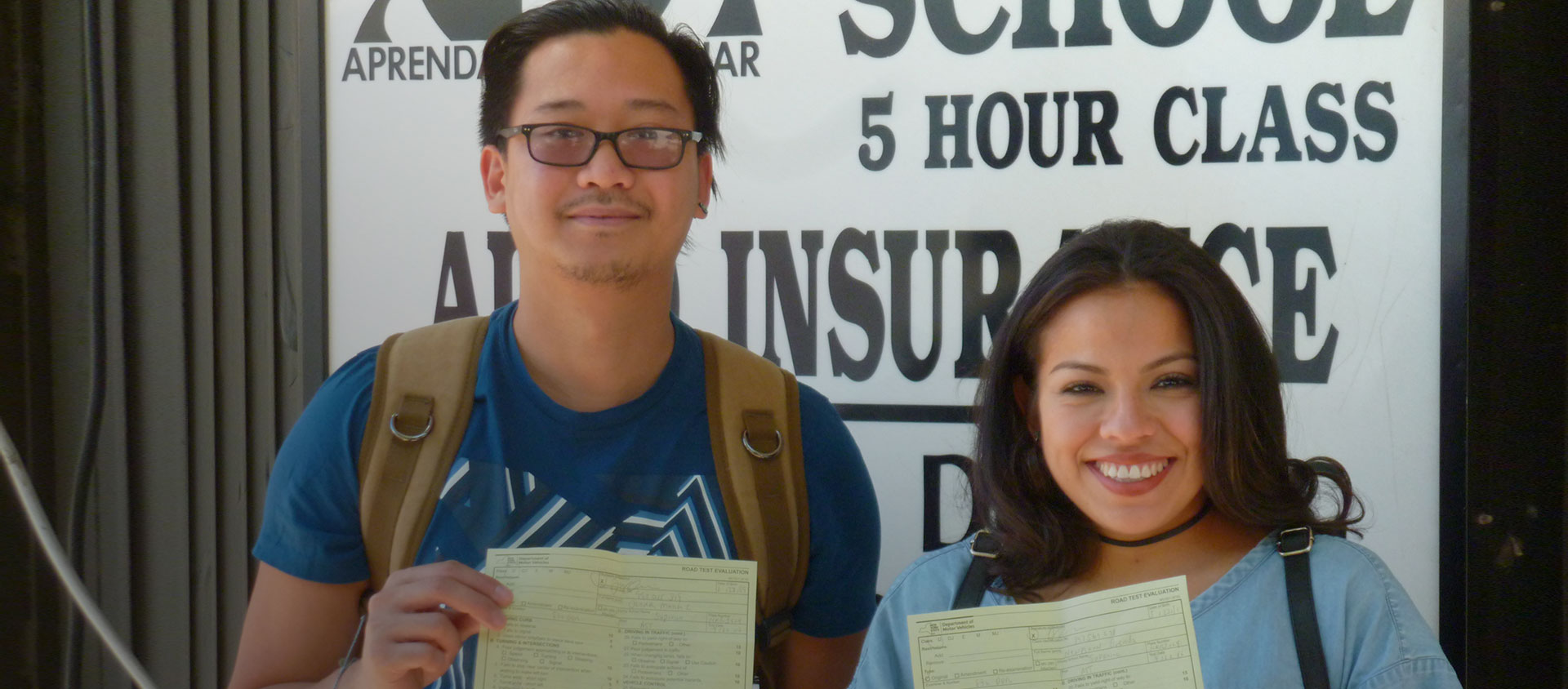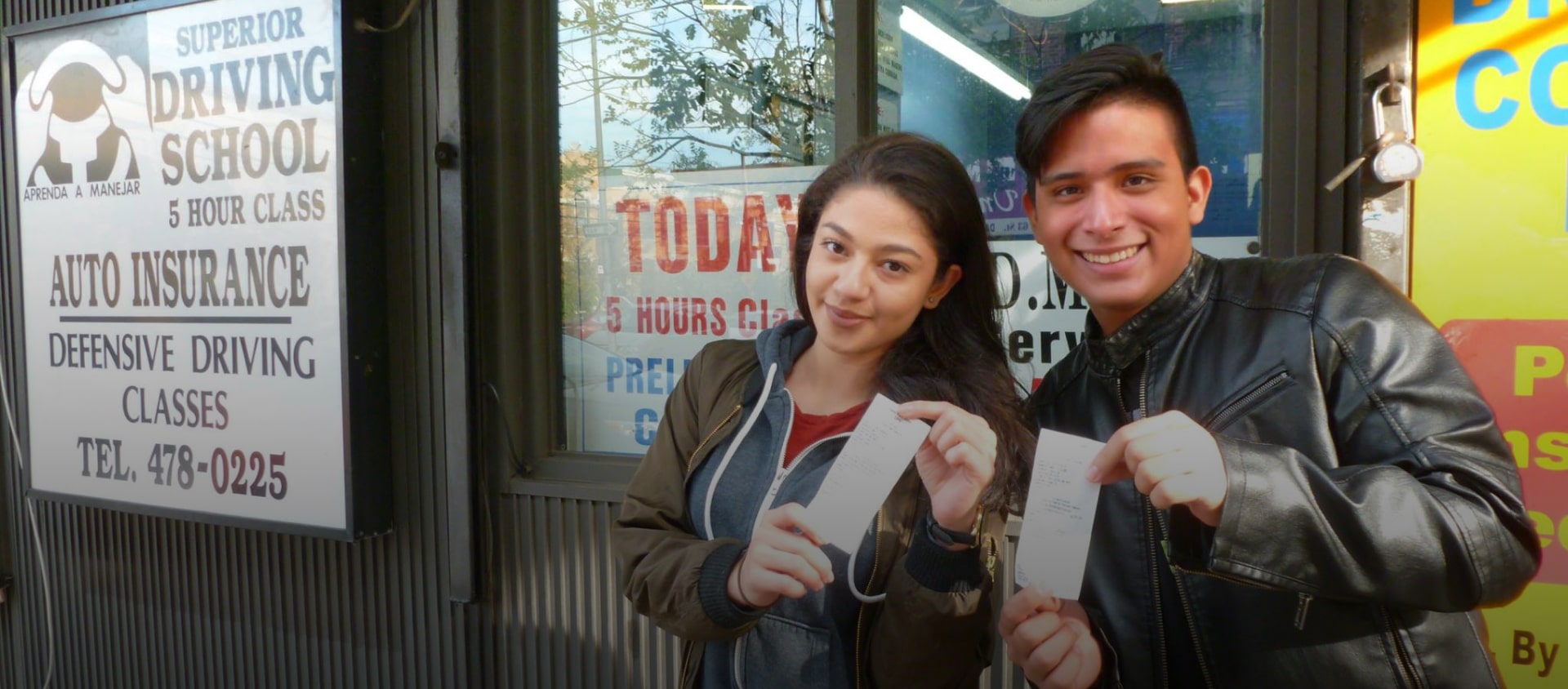
Getting your driver’s license in New York State is a significant milestone, opening up a new world of freedom and independence. But before you can schedule your road test, the New York State Department of Motor Vehicles (DMV) requires you to complete a crucial step: the 5-Hour Pre-Licensing Course. This mandatory class is designed to provide new drivers with the foundational knowledge they need to navigate the roads safely and responsibly. It’s more than just a box to check; it’s an essential educational experience that lays the groundwork for a lifetime of safe driving habits.
This comprehensive course serves as your introduction to the responsibilities of being a driver. It covers a wide range of topics, from understanding the rules of the road to recognizing the psychological and physical factors that can affect your performance behind the wheel. The goal is to ensure that every new driver who gets a license has a solid understanding of how to operate a vehicle safely, interact with other road users, and make smart decisions in various traffic situations. By the end of these five hours, you will not only be eligible to take your road test but will also feel more confident and prepared for the challenges ahead.
Why is the 5-Hour Pre-Licensing Course Mandatory?
The state of New York implemented the 5-hour course requirement for a very important reason: to reduce the number of accidents, injuries, and fatalities involving new and inexperienced drivers. Statistics have consistently shown that teen and young adult drivers are at a much higher risk of being involved in a collision, often due to a lack of experience, underdeveloped decision-making skills, and a tendency to underestimate risks. This course directly addresses these issues by providing targeted education before these drivers hit the road on their own.
The curriculum is specifically crafted to bridge the gap between theoretical knowledge (what you learn in the driver’s manual) and the practical realities of driving. It moves beyond simply memorizing traffic signs and speed limits. Instead, it delves into the “why” behind the rules, helping you understand the consequences of poor choices and the benefits of defensive, attentive driving. Think of it as the strategic briefing before the main event—your life as a licensed driver. It’s an investment in your safety and the safety of everyone else on the road.
Who Needs to Take the Course?
If you are a new driver in New York State applying for your first driver’s license (Class D or Class DJ), you must complete the 5-hour course. You will need to present your course completion certificate (Form MV-278) to the DMV examiner before you are allowed to begin your road test. This certificate is valid for one year from the date of issue. If you don’t pass your road test within that year, you will need to retake the course to receive a new certificate. This requirement ensures that the vital information is fresh in your mind as you prepare to demonstrate your driving skills. At Superior Driving School, we make this process seamless by offering the 5-Hour Pre-Licensing Class in an accessible online format, allowing you to fulfill this requirement from the comfort of your home.
Core Components of the 5-Hour Course Curriculum
The 5-Hour Pre-Licensing Course is structured to cover a comprehensive range of topics essential for new drivers. While the exact presentation may vary slightly between driving schools, the core curriculum is mandated by the NYS DMV to ensure consistency and quality. The course is generally broken down into several key modules, each focusing on a different aspect of safe and responsible driving.
Module 1: The Driver and the Highway Transportation System
This initial section sets the stage by introducing you to your role within the larger Highway Transportation System (HTS). The HTS is a complex network of people, vehicles, and roadways, and learning to drive means learning how to interact safely within this system.
Understanding Your Responsibilities
As a driver, you have a significant responsibility not only for your own safety but also for the safety of your passengers, other motorists, cyclists, and pedestrians. This part of the course emphasizes the legal and ethical obligations that come with a driver’s license. You’ll learn about the importance of being a courteous and cooperative driver, rather than a competitive or aggressive one.
The Highway Transportation System (HTS)
The course breaks down the HTS into its three main components:
- People: This includes drivers, passengers, pedestrians, cyclists, and road workers. You will learn about the unpredictability of human behavior and the need to anticipate the actions of others.
- Vehicles: You will discuss the different types of vehicles that share the road, from motorcycles and cars to large trucks and buses, and how their different characteristics (e.g., stopping distances, blind spots) affect how you should interact with them.
- Roadways: This covers everything from multi-lane expressways to narrow rural roads and busy city streets. You’ll learn how road design, weather conditions, and traffic flow impact your driving strategy.
Module 2: The Effects of Driver Habits, Attitudes, and Skills
This module is arguably one of the most critical. It shifts the focus inward, exploring the psychological and emotional factors that have a profound impact on your ability to drive safely. It’s not just about knowing the rules; it’s about having the right mindset to follow them.
The Impact of Attitudes and Emotions
Driving is an emotional activity, whether we realize it or not. Stress, anger, frustration, and even over-excitement can severely impair judgment and lead to aggressive or reckless behavior. You’ll learn to recognize the signs of emotional driving and develop strategies for staying calm and focused behind the wheel. The course covers the dangers of “road rage” and provides techniques for de-escalating potentially hostile situations on the road.
Acknowledging Physical and Mental Condition
Your physical state directly affects your driving ability. This section covers topics like:
- Fatigue: Drowsy driving can be just as dangerous as drunk driving. You’ll learn to recognize the symptoms of fatigue and understand the importance of being well-rested before getting behind the wheel.
- Health: Certain medical conditions or medications can impair your coordination, reaction time, or judgment. The course explains the importance of being aware of how your health can impact your driving.
- Distractions: This is a major focus. While texting is the most notorious distraction, the course covers all three types: visual (taking your eyes off the road), manual (taking your hands off the wheel), and cognitive (taking your mind off driving). You’ll discuss the dangers of eating, adjusting the radio, talking to passengers, and using a GPS while the vehicle is in motion.
Module 3: Understanding New York State Traffic Laws
While your practical driving lessons will put traffic laws into practice, this section of the 5-hour course ensures you have a firm theoretical grasp of the most important rules. It goes beyond what you might skim in the driver’s manual, offering context and emphasizing the “why” behind the laws.
Key Traffic Laws and Regulations
This segment is a deep dive into the vehicle and traffic laws you must follow. Topics covered include:
- Traffic Control Devices: A thorough review of signs, signals, and pavement markings. You’ll learn not just what they mean, but how to respond to them correctly in various situations. This includes complex intersections, railroad crossings, and school zones.
- Right-of-Way Rules: Who goes first? This is a common point of confusion for new drivers. The course clarifies the rules for four-way stops, uncontrolled intersections, and merging, emphasizing that right-of-way should be given, not taken.
- Speed Limits: You’ll discuss the dangers of speeding and the importance of adjusting your speed to road, weather, and traffic conditions—not just adhering to the posted limit.
- Parking Regulations: This covers the rules for legal parking, including regulations for parallel parking, parking on hills, and understanding no-parking zones.
The Consequences of Violations
Understanding the law also means understanding the penalties for breaking it. The course outlines the NYS point system, explaining how traffic violations can lead to points on your license, fines, and potentially a license suspension or revocation. This reinforces the serious nature of traffic laws and the importance of compliance.
Module 4: Defensive Driving and Hazard Perception
This is where the course transitions from passive knowledge to active strategy. Defensive driving is the art of anticipating danger and taking proactive steps to avoid it. It’s about driving to save lives, time, and money, in spite of the conditions around you and the actions of others.
The Core Principles of Defensive Driving
You’ll be introduced to key defensive driving concepts that form the basis of safe driving for a lifetime. These techniques are designed to help you maintain a “safety cushion” around your vehicle.
- Scanning and Searching: This involves continuously moving your eyes to check your mirrors, your speedometer, and the road far ahead and to the sides. The goal is to identify potential hazards before they become immediate threats.
- Managing Space: You will learn about the “three-second rule” for following distance and the importance of maintaining adequate space to the sides and rear of your vehicle. This space gives you time to react and options for maneuvering out of a dangerous situation.
- Communicating Your Intentions: Effective communication with other drivers is a key defensive tactic. This includes using your turn signals well in advance, making eye contact with other drivers and pedestrians, and using your horn when appropriate.
Identifying and Reacting to Hazards
The course will present various scenarios to help you develop your hazard perception skills. You will learn to look for potential problems, such as:
- A car parked on the side of the road with its wheels turned out, indicating it might pull into traffic.
- A child chasing a ball near the street.
- A driver who is weaving or braking erratically, possibly indicating they are impaired or distracted.
- Brake lights appearing several cars ahead, signaling a slowdown you need to prepare for.
By learning to spot these clues, you can adjust your speed and position to avoid a potential collision. Many of our students mention in their testimonials how these defensive driving skills made them feel more confident and prepared for their road test and beyond.
Module 5: The Dangers of Driving Under the Influence
Given the tragic consequences of impaired driving, the 5-hour course dedicates a significant portion of its curriculum to this topic. It provides a sobering and detailed look at how alcohol and drugs affect your ability to operate a vehicle safely.
How Alcohol Affects the Body and Brain
This section provides a clinical explanation of how alcohol is a depressant that slows down your central nervous system. You will learn how even a small amount of alcohol can impair:
- Judgment: This is the first thing to be affected. You may make poor decisions you wouldn’t make when sober, like speeding or not wearing a seatbelt.
- Reaction Time: Your ability to brake or steer quickly in an emergency is significantly slowed.
- Vision: Alcohol can cause blurred or double vision and reduce your peripheral vision, making it harder to spot hazards.
- Coordination: Your fine motor skills, which are essential for steering and braking smoothly, are diminished.
The Legal Consequences of DWI/DWAI
The course provides a clear and stark overview of New York’s strict laws regarding driving while intoxicated (DWI) and driving while ability impaired (DWAI). You’ll learn about:
- Blood Alcohol Content (BAC): The legal limits for BAC and how factors like weight, gender, and food intake can affect it.
- Implied Consent Law: In New York, by getting a driver’s license, you automatically consent to a chemical test if a police officer suspects you of driving under the influence. Refusing the test has its own severe penalties, including immediate license suspension.
- Penalties: The course details the severe consequences of a DWI/DWAI conviction, which can include heavy fines, jail time, license revocation, and the installation of an ignition interlock device in your vehicle.
This module is designed to be impactful and persuasive, ensuring every new driver understands that driving under the influence is a risk that is never, ever worth taking.
Preparing for Your Road Test and Beyond
The final part of the 5-Hour Pre-Licensing Course is dedicated to pulling all this information together and applying it to your ultimate goal: passing the road test and becoming a safe, licensed driver.
What to Expect on the Road Test
The instructor will provide valuable insights into the road test itself. They will explain what the DMV examiner is looking for, which is not just your ability to perform maneuvers like parallel parking and three-point turns, but your overall command of the vehicle and your demonstration of safe driving habits. You’ll learn about common mistakes that lead to an automatic failure, such as failing to stop completely at a stop sign, speeding in a school zone, or demonstrating poor observation skills.
Connecting the Course to Practical Skills
The course helps you connect the dots between the classroom theory and your behind-the-wheel practice. The defensive driving techniques, hazard perception skills, and knowledge of traffic laws discussed in the class are the very things you need to demonstrate to the examiner. This knowledge empowers you during your driving lessons with one of our professional instructors, allowing you to ask more informed questions and focus on developing the right habits from the start.
The 5-hour course isn’t just a hurdle to jump over. It is a critical educational foundation that complements your practical driving experience. It provides the “big picture” context for why safe driving habits are so important and gives you the mental tools you need to handle the complex challenges you will face on the road.
Your Next Step Towards a Driver’s License
Completing the NYS 5-Hour Pre-Licensing Course is a vital step on your journey to becoming a licensed driver. It’s an investment of time that pays dividends in safety, confidence, and skill. This course will equip you with the knowledge to not only pass your road test but to become a responsible and defensive driver for life. You’ll leave the class with a much deeper appreciation for the complexities of driving and a clear understanding of your role in maintaining safety on our roads.
Are you ready to take this essential step? We offer the 5-Hour Pre-Licensing Class through a convenient and engaging online format, taught by experienced instructors who make the material come to life. If you have any questions about the course, our driving lesson packages, or how to get started, please don’t hesitate to contact us. Let us help you build the foundation for a lifetime of safe driving.
Learn to Drive with Superior Driving School
We believe these lessons can last a lifetime and know they result in safer roads and save lives! We have been a trusted Queens NY driving school for more than two decades!
Contact Us