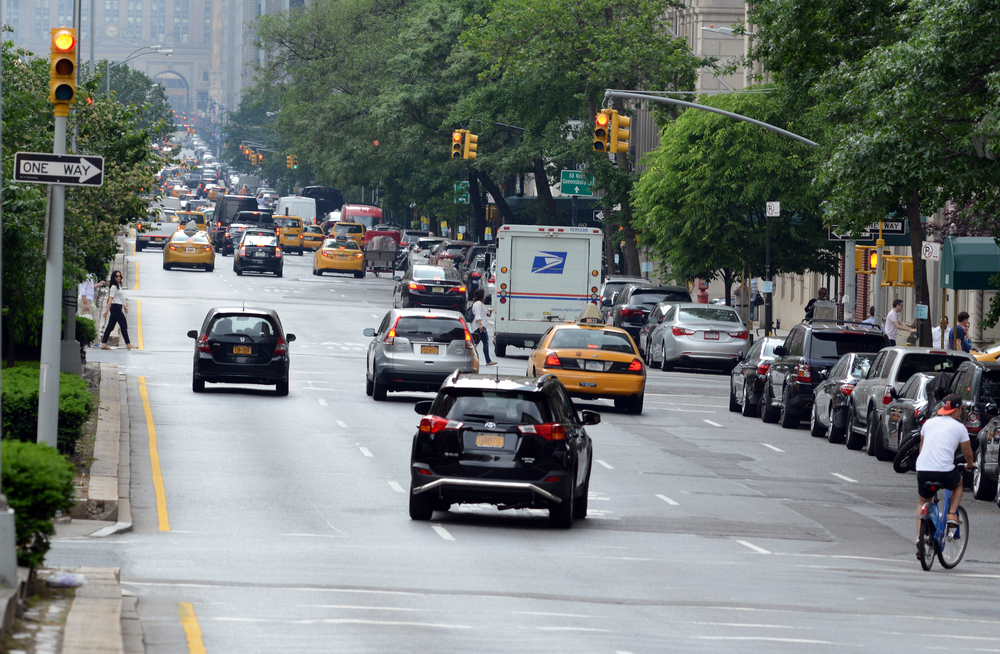
Driving in New York City is an experience unlike any other. The constant symphony of horns, the sea of yellow cabs, and the intricate dance of pedestrians and cyclists create a driving environment that can intimidate even seasoned motorists. One of the most fundamental yet challenging maneuvers in this urban jungle is changing lanes. A poorly executed lane change can lead to anything from a minor fender bender to a major multi-car pileup. Mastering this skill is not just about getting to your destination; it’s about ensuring your safety and the safety of everyone around you.
This guide will provide a comprehensive breakdown of how to change lanes safely and confidently in the chaos of NYC traffic. We’ll cover everything from the essential pre-maneuver checks to advanced techniques for navigating aggressive drivers and tight spaces. Whether you’re a new driver preparing for your road test or an experienced one looking to refine your skills, these tips will help you move through the city’s streets like a pro. Perfecting techniques like this is a key focus of professional driving lessons, where you can practice in a controlled environment.
The Foundation of a Safe Lane Change: SMOG
Before you even think about turning the wheel, you must internalize the single most important acronym for changing lanes: SMOG. This simple, four-step process is the bedrock of safe driving and is a critical component of any good driver education program.
- S – Signal: Your turn signal is your voice on the road. It’s how you communicate your intentions to other drivers.
- M – Mirrors: Check your rearview and side mirrors to assess the traffic situation around you.
- O – Over the Shoulder: Look over your shoulder to check your blind spot—the area that your mirrors don’t cover.
- G – Go: Once you’ve confirmed the coast is clear, you can execute the maneuver smoothly and deliberately.
This process should become second nature, a reflexive action you perform every single time you change lanes, without exception. It’s a core principle taught in every 5-hour pre-licensing class, as it is legally and practically essential for safe driving in New York State.
Step 1: Signal Your Intentions Early and Clearly
Your turn signal is not a suggestion; it’s a declaration. In the fast-paced environment of NYC, drivers make split-second decisions based on the actions of those around them. Activating your signal well in advance of your move—ideally for at least three to five seconds before you begin to change lanes—gives other drivers ample time to see what you’re planning and adjust their speed and position accordingly.
Why Early Signaling is Crucial in NYC:
- It Discourages “Gatekeepers”: Some aggressive drivers see a turn signal as an invitation to speed up and block you. Signaling early asserts your intention and often encourages the driver behind you in the target lane to create space, assuming they are driving defensively.
- It Alerts Everyone: NYC roads are crowded with more than just cars. Your signal communicates with motorcyclists, cyclists, and even pedestrians who might be about to step off a curb.
- It’s the Law: New York Vehicle and Traffic Law requires drivers to signal at least 100 feet before making a turn or changing lanes. Failing to do so can result in a ticket and points on your license.
Don’t be the driver who activates their signal as they are already moving over. This is confusing, dangerous, and a hallmark of an amateur driver. Signal first, then prepare to move.
Step 2: Master Your Mirrors
Your mirrors are your eyes on the back and sides of your vehicle. A quick, efficient scan of your mirrors gives you a snapshot of the traffic flow and helps you identify a potential gap.
The Mirror-Checking Sequence
- Rearview Mirror: Start with a glance at your rearview mirror. This gives you the big picture of what’s happening directly behind you. Is a car approaching quickly? Is traffic slowing down? This context is vital.
- Side Mirror: Next, check the side mirror in the direction you want to move. If you’re moving right, check your right mirror. This will show you the traffic in the adjacent lane. You’re looking for a safe and sufficient gap between vehicles.
Understanding Mirror Limitations
It’s critical to understand that what you see in your side mirrors, particularly the passenger-side mirror, can be misleading. Objects in the mirror are closer than they appear. This is why you cannot rely on mirrors alone. A car that looks a safe distance away in your side mirror might be right in your blind spot. This is a common point of failure on road tests and a frequent cause of accidents.
Step 3: Obliterate Your Blind Spot (Over the Shoulder)
The “Over the Shoulder” check is the most frequently skipped—and arguably the most critical—step in the SMOG process. Your car’s blind spot is the area on either side of your vehicle that isn’t visible in your mirrors. A small car, a motorcycle, or a cyclist can easily hide there. Failing to check this area before moving over is like closing your eyes and hoping for the best.
How to Perform a Proper Blind Spot Check
- It’s a Quick Glance, Not a Long Stare: The check should be a swift turn of your head, about 90 degrees, to look out the rear side window. You should not be turning your entire body or taking your eyes off the road ahead for more than a fraction of a second.
- Timing is Everything: The best time to do your over-the-shoulder check is immediately after checking your mirrors and right before you begin to turn the wheel. The traffic situation can change in an instant, so this check must be the final confirmation that the way is clear.
- Practice Makes Perfect: If you’re a new driver, practice this movement in a parked car to get comfortable with the motion. You want it to be a quick, efficient head-turn that doesn’t cause you to swerve the steering wheel. This is a skill that instructors in driving lessons will drill until it becomes automatic.
Many modern cars come equipped with Blind Spot Monitoring (BSM) systems, which use sensors to detect vehicles in your blind spot and provide a visual or audible alert. While these are fantastic safety aids, they are not a substitute for a physical head check. Technology can fail, sensors can be dirty, and a small cyclist may not be detected. Always perform the manual check.
Step 4: Go – The Smooth Execution
Once you have signaled, checked your mirrors, and looked over your shoulder to confirm the space is empty, it’s time to make your move.
The Art of the Gradual Merge
A lane change should be a smooth, gradual drift, not a sudden jerk. Abrupt movements can startle other drivers and cause them to react erratically.
- Maintain Your Speed: Try to match the speed of the traffic in the lane you are entering. Slowing down significantly before you change lanes can cause a chain reaction of braking behind you. Conversely, accelerating too aggressively can cause you to close the gap with the car ahead of you too quickly.
- Gentle Steering Input: Use a light touch on the steering wheel. A small, sustained turn is all that’s needed to guide the car into the adjacent lane. Imagine a gentle arc rather than a sharp angle.
- Center and Cancel: Once your entire vehicle is within the boundaries of the new lane, straighten the wheel to center yourself. The final, and often forgotten, step is to make sure your turn signal has been canceled. A blinking signal long after a lane change is complete is confusing to other drivers.
Advanced Strategies for NYC Lane Changes
The SMOG method is your foundation. Now, let’s build on it with strategies tailored for the unique challenges of New York City traffic. Driving here requires more than just technical skill; it demands situational awareness and a proactive mindset, often referred to as defensive driving.
Reading the Flow of Traffic
Experienced NYC drivers develop an almost sixth sense for the rhythm of the road. They don’t just see individual cars; they see patterns.
Look Ahead, Not Just Next to You
Your focus should be 10-15 seconds down the road.
- Identify Blockages: Is there a double-parked truck two blocks ahead in your lane? A bus pulling up to a stop? Seeing these obstacles early gives you plenty of time to plan a smooth lane change instead of being forced into a last-second, high-risk maneuver.
- Anticipate “Lane End” Situations: Many NYC streets and highways have lanes that suddenly end or become turn-only lanes. Pay close attention to road signs and pavement markings to avoid being trapped and having to make a desperate cut-over.
- Watch for Brake Lights: A cascade of brake lights far ahead is your cue that your lane is about to slow or stop. This might be the perfect opportunity to signal and move into a clearer adjacent lane.
Creating Your Own Space
In dense traffic, a perfect, car-length gap may not magically appear. Sometimes, you need to help create it.
The “Assertive but Polite” Method
- Position Yourself: Angle your car slightly in your lane toward the direction you want to go. This visual cue, combined with your signal, reinforces your intention.
- Signal and Wait: Activate your signal.
- Make Eye Contact: If possible, try to make eye contact with the driver in the lane you want to enter through your side mirror or by looking over. A simple nod or hand gesture can work wonders. You’re asking for permission, not demanding a space.
- The Slow Creep: If the driver behind you creates a small space, begin to move into it slowly and deliberately. As your front wheel crosses the line, they will typically ease off the gas to let you complete the maneuver.
This technique requires a delicate balance. You must be assertive enough to show you are serious about the lane change, but not so aggressive that you force the other driver into a dangerous situation.
Navigating Common NYC Hazards
Changing Lanes Around Double-Parked Vehicles
Double-parked cars are a fact of life in NYC. When you need to move around one:
- Start the SMOG process early. Don’t wait until you’re right behind the parked car.
- Look for oncoming traffic. On many two-way streets, you’ll need to partially enter the lane of oncoming traffic to get around. Ensure the way is clear for a significant distance.
- Watch for opening doors. The driver of the parked car could open their door at any moment. Give the vehicle as much space as is safely possible.
- Look for pedestrians. People often walk out from between parked cars. Be vigilant.
Lane Changes on Bridges and in Tunnels
Bridges and tunnels present unique challenges. Lanes are often narrower, visibility can be reduced, and there are no shoulders to escape to.
- Pick a Lane and Stick With It: The best advice for tunnels and bridges is to minimize lane changes. Choose the lane that seems to be flowing best before you enter and try to stay in it.
- Be Aware of Merges: Many bridge and tunnel entrances involve multiple lanes merging down into fewer. This is a high-conflict area. The “zipper merge,” where cars take turns proceeding from each lane, is the most efficient method. Be predictable and let one car go before you go.
- Increased Following Distance: Give yourself extra space in these confined environments. A rear-end collision in a tunnel can shut down traffic for hours.
Dealing with Aggressive Drivers
You will encounter aggressive drivers who refuse to let you in. They might speed up, honk, or tailgate the car in front of them to close the gap.
- Do Not Engage: The most important rule is not to escalate the situation. Don’t make angry gestures, and don’t try to force your way in. It’s not worth the risk.
- Let Them Go: Your safety is more important than being “right.” Simply take a breath, cancel your signal, and wait for the next gap. The aggressive driver will pass, and you can then look for a space behind them.
- Defensive Driving Mindset: Adopting a defensive driving mentality is key. You assume other drivers might make mistakes or be aggressive, and you drive in a way that protects you from those possibilities. This mindset can reduce stress and keep you safer.
Common Mistakes to Avoid
Learning what not to do is just as important as learning what to do. Many drivers, even those who have been on the road for years, make these common errors. See for yourself what satisfied students have to say on our testimonials page about overcoming these exact issues.
Mistake 1: The “Drift” Without Signaling
This is when a driver slowly and unconsciously drifts from one lane to another without signaling. It’s often a sign of distracted or tired driving. Always maintain your lane position unless you are actively and intentionally performing a lane change using the SMOG method.
Mistake 2: Cutting Too Close
After you pass a vehicle, you must ensure you can see its entire front end in your rearview mirror before you pull back into the lane in front of it. Cutting back too soon can cause the other driver to slam on their brakes or, worse, lead to you clipping their front bumper. This is exceptionally dangerous with large trucks, which have massive front blind spots and long stopping distances.
Mistake 3: Lingering in the Blind Spot
Just as you need to check your own blind spot, you must be aware that you are often in other drivers’ blind spots. Avoid “hanging out” next to another car, especially a large truck or bus. Either speed up to pass them decisively or slow down and stay behind them. The side of another vehicle is a dangerous place to be.
Mistake 4: Changing Multiple Lanes at Once
Never sweep across multiple lanes of traffic in one go. It is incredibly dangerous because it’s impossible to check all the necessary blind spots and monitor traffic in several lanes simultaneously. If you need to move over two or three lanes, do it one lane at a time. Establish your position in the first lane, then restart the SMOG process to move into the next one.
Mistake 5: Relying Solely on Technology
Blind Spot Monitoring, lane-keep assist, and other driver aids are valuable tools, but they are aids, not replacements for skilled, attentive driving. Complacency is a major risk on the road. Always remain an engaged and active driver.
Practice and Professional Guidance
Reading about how to change lanes is one thing; doing it in the heart of Brooklyn or Queens during rush hour is another. There is no substitute for practical experience.
If you are a new driver or feel anxious about driving in the city, professional instruction is the best investment you can make in your safety. A qualified instructor can provide real-time feedback in a safe environment. They can teach you the subtle art of navigating city traffic that can’t be fully captured in writing.
Completing a comprehensive course, from individual driving lessons to the mandatory 5-hour pre-licensing class, builds a solid foundation. These programs are designed to instill safe habits like the SMOG method from day one.
Changing lanes in NYC traffic is a high-level skill that combines technical precision, situational awareness, and clear communication. By consistently applying the SMOG method, reading the traffic patterns ahead, and driving defensively, you can navigate the city’s arteries with confidence. Remember to be patient, be predictable, and prioritize safety above all else. A safe lane change is a smooth, deliberate, and well-communicated maneuver that protects you and everyone else on the road.
If you have more questions or want to book a lesson to practice these skills with a professional, please don’t hesitate to contact us. Our team is ready to help you become a safer, more confident driver on New York’s challenging roads.
Learn to Drive with Superior Driving School
We believe these lessons can last a lifetime and know they result in safer roads and save lives! We have been a trusted Queens NY driving school for more than two decades!
Contact Us