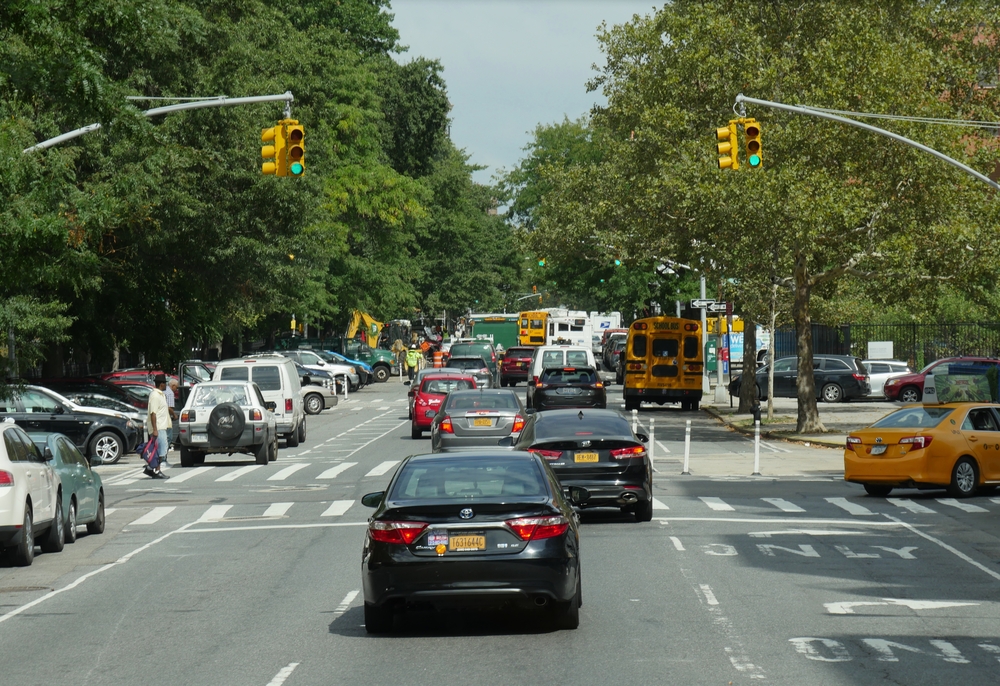
Driving in New York City is an experience unlike any other. It’s a chaotic ballet of yellow cabs, delivery trucks, cyclists, and pedestrians, all moving with a sense of urgent purpose. The constant symphony of sirens and horns, combined with streets that can go from gridlocked to fast-moving in a matter of seconds, creates one of the most challenging driving environments in the world. For the uninitiated, it can be overwhelming. For the experienced, it demands constant vigilance.
Navigating this urban maze requires more than just a basic license; it requires a specialized skill set. The types of accidents most common in NYC are directly related to its unique density and pace. From fender-benders in stop-and-go traffic to dangerous encounters at crowded crosswalks, the risks are everywhere. However, these incidents are not inevitable. By understanding the most common types of collisions and arming yourself with proven defensive driving strategies, you can significantly reduce your risk. This guide will break down the most frequent accidents in NYC and provide practical, actionable advice to help you navigate the city’s streets safely and confidently.
Understanding the NYC Driving Gauntlet
Before diving into specific accident types, it’s crucial to appreciate the unique factors that define NYC traffic. These challenges are the root cause of most collisions.
- Extreme Density: Millions of people are packed into a small geographic area. This means more vehicles, more pedestrians, and more cyclists are all competing for limited space. There is simply less room for error.
- Constant Stop-and-Go Traffic: Gridlock is a daily reality. This pattern of rapid acceleration and sudden braking creates a high-risk environment for rear-end collisions and driver frustration.
- Aggressive Driving Culture: The fast-paced nature of the city often translates to impatient and aggressive driving behaviors. This includes tailgating, abrupt lane changes without signaling, and a general reluctance to yield.
- Pedestrian and Cyclist Overload: Unlike in suburban areas, pedestrians and cyclists are not an occasional presence; they are a primary feature of the traffic landscape. They often cross streets unexpectedly, creating a constant need for awareness.
- Complex Intersections and Roadways: NYC is filled with multi-lane roads, confusing intersections, one-way streets, and ever-present construction zones that can change traffic patterns daily.
Mastering this environment is the core focus of a comprehensive Defensive Driving course, which equips drivers with the mindset and skills needed to anticipate and manage these unique challenges.
Accident Type 1: The Rear-End Collision
This is arguably the most common accident in NYC’s bumper-to-bumper traffic. While it often happens at low speeds, a rear-end collision can still cause significant vehicle damage, whiplash injuries, and major insurance headaches.
Why It Happens
The primary cause is tailgating, or following too closely. In the city’s stop-and-go rhythm, drivers often leave insufficient space between their vehicle and the one in front. When the lead car brakes suddenly—for a pedestrian, a pothole, or another vehicle cutting in—the trailing driver has no time to react.
How to Avoid It: Master Your Space Cushion
You have almost complete control over preventing this type of accident. The key is to manage the space in front of your vehicle relentlessly.
- Adopt the 4-Second Rule: Even at low speeds, maintaining a proper following distance is critical. Watch the car ahead pass a fixed object (like a light pole) and count “one-one-thousand, two-one-thousand…” You should reach at least three or four seconds before you pass the same object. This gives you the buffer needed to perceive a threat and brake smoothly.
- Look Ahead, Not Just at the Bumper: Don’t fixate on the car directly in front of you. Scan 12-15 seconds down the road. By watching traffic patterns two, three, or even four cars ahead, you can anticipate a slowdown long before the car in front of you hits its brakes. This allows you to ease off the accelerator and slow down gradually.
- Cover Your Brake: In heavy traffic, anticipate sudden stops. Take your foot off the accelerator and hold it over the brake pedal without pressing down. This simple action significantly reduces your reaction time, shaving precious milliseconds off your stopping distance.
Accident Type 2: The Side-Swipe and Unsafe Lane Change
On NYC’s multi-lane avenues and highways like the BQE or FDR Drive, side-swipes are incredibly common. They occur when a driver attempts to change lanes without ensuring the space is clear.
Why It Happens
This accident is a direct result of failing to check blind spots. A driver may glance at their side mirror, see nothing, and begin to merge, only to collide with a vehicle hidden in the “no-zone.” This is often compounded by a failure to use a turn signal, giving the other driver no warning of their intention. Aggressive weaving through traffic is another major contributor.
How to Avoid It: See, Signal, and See Again
Preventing a side-swipe requires a disciplined, multi-step process for every lane change.
- Know Your Blind Spots: Before you even start driving, adjust your mirrors to minimize blind spots. The side mirrors should be angled out far enough that you can just barely see the side of your own car. This opens up your field of view.
- The “Signal, Mirror, Head Check” Routine: This sequence must become an unbreakable habit.
- Signal: Activate your turn signal well in advance to communicate your intention to other drivers.
- Mirrors: Check your rearview mirror and the side mirror for the lane you plan to enter.
- Head Check: This is the most critical step. Briefly turn your head to look over your shoulder into the blind spot. This is the only way to be 100% certain the lane is clear.
- Avoid Lingering in Other Drivers’ Blind Spots: Be a defensive driver. Recognize that if you can’t see the other driver’s face in their mirror, they can’t see you. Adjust your speed to either move ahead of them or drop back.
Accident Type 3: Pedestrian and Cyclist Incidents
New York City is a city of walkers and bikers. This constant presence of vulnerable road users creates a high risk of devastating accidents, particularly at intersections and mid-block crossings.
Why It Happens
These accidents are often caused by driver inattention or a failure to yield the right-of-way. Drivers may be focused on other vehicles and fail to notice a pedestrian stepping off a curb. Right turns on red lights or even green lights can be particularly dangerous, as the driver’s attention is often focused on looking left for oncoming cars, not right for pedestrians in the crosswalk. Cyclists, who can move quickly and quietly, can also appear suddenly from behind parked cars or in a driver’s blind spot.
How to Avoid It: Assume Nothing, Scan Everything
When driving in NYC, you must operate under the assumption that a pedestrian or cyclist could appear at any moment.
- Scan Intersections Thoroughly: Before entering any intersection, even with a green light, scan left, right, and then left again. Look specifically for pedestrians who may be about to step into the crosswalk.
- The “Right Hook” and “Left Cross”: Be hyper-aware when making turns. When turning right, check for cyclists coming up on your right side. When turning left, look for oncoming cyclists and pedestrians crossing with the light. They have the right-of-way.
- Yield to Pedestrians: The law is clear: you must yield to pedestrians in a crosswalk. Don’t try to nose your car into the crosswalk to intimidate them. Be patient and wait for them to cross completely.
- Watch for Mid-Block Crossers: In NYC, people often cross wherever they please. Be especially vigilant when driving past parked cars, as a person could emerge suddenly from between them.
Mastering this level of awareness is a skill honed through dedicated driving lessons that focus on urban environments.
Accident Type 4: “Dooring” and Parking Lot Fender-Benders
The city’s tight parking spaces and constant flow of traffic alongside parked cars create two specific types of accidents: dooring and low-speed collisions.
Why It Happens
“Dooring” occurs when a driver or passenger of a parked car opens their door into the path of an oncoming vehicle or, more often, a cyclist. The person opening the door fails to check for traffic first. Parking lot and parallel parking accidents happen due to limited visibility and the tight maneuvers required.
How to Avoid It: Slow Down and Look Around
Patience and observation are your best defenses in these scenarios.
- Beware of Parked Cars: When driving next to a lane of parked cars, slow down and position your vehicle as far to the left of your lane as is safely possible. This gives you more space to react if a door suddenly swings open. Look for clues like brake lights or a person visible in the driver’s seat.
- The “Dutch Reach”: When you are the one exiting a parked car, use your far hand to open the door (e.g., use your right hand to open the driver’s side door). This forces your body to turn, naturally prompting you to look over your shoulder for oncoming traffic and cyclists.
- Navigating Parking Spaces: When backing out of a spot, do so slowly. Use your mirrors, your backup camera if you have one, and physically turn your head. If your visibility is blocked, inch out slowly to signal your presence to other drivers. Whenever possible, choose a pull-through spot so you can exit by driving forward.
The value of learning these specific, practical techniques is often highlighted in the testimonials from drivers who have taken advanced courses.
The Ultimate Defense: A Proactive Mindset
Avoiding the most common accidents in NYC traffic boils down to adopting a proactive, defensive mindset. You cannot control the actions of the thousands of other people on the road, but you can control your own preparedness, awareness, and reactions.
- Stay Calm and Patient: Aggression and frustration lead to poor decisions. Accept that delays are part of driving in the city. Getting angry won’t make traffic move faster, but it will increase your chances of making a critical error.
- Minimize Distractions: Put your phone away and out of reach. The cognitive load of driving in NYC is already extremely high; you cannot afford to divide your attention. Save the phone call or text for when you are safely parked.
- Be Predictable: Use your signals, maintain a consistent speed where possible, and avoid sudden, erratic maneuvers. A predictable driver is a safe driver.
The skills needed to navigate NYC safely are not learned by chance. They are taught, practiced, and perfected. Completing a 5 Hour Pre-Licensing Class provides the initial foundation, but a dedicated defensive driving course is what truly prepares you for the realities of this unique environment. It’s an investment in your safety, your vehicle, and your peace of mind.
If you are ready to gain the confidence and skills needed to master New York City’s streets, don’t hesitate to learn more. Contact us to find out how our courses can transform you into a safer, more competent urban driver.
Learn to Drive with Superior Driving School
We believe these lessons can last a lifetime and know they result in safer roads and save lives! We have been a trusted Queens NY driving school for more than two decades!
Contact Us