Of all the skills required for safe driving, one of the most critical is also one of the most frequently neglected: checking the blind spot. Every driver has heard the term, but not everyone understands what it truly means or appreciates the life-or-death importance of this simple action. A missed blind spot check is a leading cause of side-swipe collisions, and it turns routine maneuvers like changing lanes or merging into a high-stakes gamble.
This guide will take a deep dive into the world of blind spots. We will explore exactly what they are, why relying on mirrors alone is a recipe for disaster, and provide a step-by-step breakdown of how to perform a perfect head check every single time. Mastering this skill is non-negotiable for driver safety, and it’s a fundamental principle taught from the very first day of professional driving lessons. Whether you’re a brand-new learner or have been driving for decades, a refresher on this crucial technique can prevent a costly and dangerous mistake.
What Exactly Is a Blind Spot?
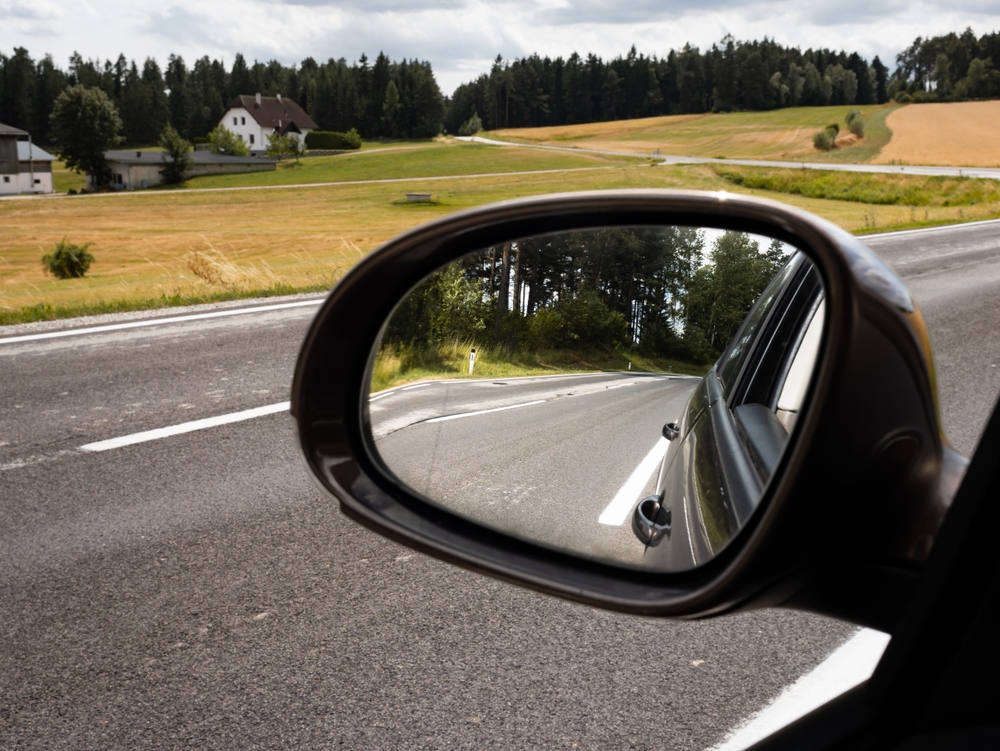
A vehicle’s blind spot is an area around the car that cannot be seen by the driver in either the rearview or side-view mirrors. Despite advancements in mirror design, every single car, truck, and SUV has these zones of invisibility. They are typically located over the driver’s left and right rear shoulders, extending from the back of the passenger doors towards the rear of the vehicle.
The size and shape of these blind spots can vary significantly depending on the vehicle:
- A small, two-door coupe might have very large blind spots due to thick C-pillars (the pillar behind the rear passenger window).
- A large SUV or panel van has massive blind spots, making it impossible to see smaller vehicles or motorcycles traveling alongside.
- Even a sedan with good visibility has areas where a car, and especially a cyclist or motorcyclist, can completely disappear from view.
Relying solely on your mirrors gives you an incomplete picture of your surroundings. It’s like trying to navigate a crowded room by only looking through a keyhole. The only way to see what’s hidden in these areas is to perform a physical head check.
The Dangers of the Unseen
The consequences of failing to check a blind spot can be severe. Imagine you are on a three-lane expressway. You check your right-side mirror, see a clear space, and begin to merge. What you didn’t see was the small, quiet electric car that was perfectly positioned in your blind spot. As you move over, you force that driver to either swerve into another lane or slam on their brakes, potentially causing a multi-car pileup.
This scenario plays out countless times every day. It’s why checking blind spots is a mandatory part of every state’s road test and a core element of any legitimate defensive driving program. It’s not just a suggestion; it’s a critical safety protocol. This is a topic that is covered in-depth during the mandatory 5-hour pre-licensing class, as it is a frequent point of failure for new drivers on their road tests.
How to Properly Check Your Blind Spot: A Step-by-Step Guide
The good news is that checking your blind spot is a simple and quick action. The key is to integrate it seamlessly into your driving routine so it becomes an automatic reflex whenever you intend to move your vehicle laterally. The most effective way to remember the full sequence for a lane change is the acronym SMOG.
- S – Signal
- M – Mirrors
- O – Over the Shoulder (The Blind Spot Check)
- G – Go
The “O” is our focus here. Let’s break down the physical action.
Step 1: The Pre-Check (Mirrors First)
Before you turn your head, you should have already checked your rearview and side-view mirrors. The mirrors give you the initial “all-clear,” confirming that there are no vehicles rapidly approaching from behind or already alongside you. The head check is the final confirmation that the space you intend to occupy is truly empty.
Step 2: The Head Turn (The “Glance”)
This is the most important part of the process. To check the blind spot on your left, you will turn your head quickly to the left, looking over your shoulder through the rear-left passenger window. To check the blind spot on your right, you will do the same over your right shoulder.
Key elements of a proper head check:
- It’s a Glance, Not a Stare: The entire motion should take less than a second. You are turning your head about 90 degrees for a swift look. You are not turning your entire torso or taking your eyes off the road ahead for an extended period.
- Keep a Hand on the Wheel: A common mistake for new drivers is to inadvertently turn the steering wheel in the direction they are looking. Maintain a firm but relaxed grip on the wheel to keep the car tracking straight.
- Timing is Crucial: The head check should be the very last thing you do before you begin to turn the wheel to make your move. The traffic situation can change in a split second, so you want the most up-to-date information possible.
Step 3: The Execution (Go)
Once your glance over the shoulder confirms that the blind spot is clear, you can proceed with your maneuver, whether it’s changing lanes, merging into traffic, or pulling away from a curb.
This entire sequence—mirrors, then head check—should become a single, fluid motion that happens every single time you change your vehicle’s lateral position. No exceptions.
When Do You Need to Check Your Blind Spot?
Many drivers mistakenly believe that blind spot checks are only for changing lanes on the highway. In reality, you should be performing this check any time your vehicle is moving left or right.
Critical Scenarios for Blind Spot Checks:
- Changing Lanes: This is the most obvious scenario. Before you cross any lane line, you must perform the full SMOG sequence, culminating in a head check. This applies to city streets, country roads, and multi-lane expressways.
- Merging into Traffic: When entering a highway from an on-ramp, you must check your blind spot to ensure you aren’t merging into the side of a vehicle that has been obscured by your car’s pillars.
- Pulling Away from the Curb: Before you pull out from a parking spot, you absolutely must look over your shoulder. A cyclist, jogger, or another car could be coming up from behind, completely invisible in your mirrors.
- Making Turns (Especially Right Turns): When making a right turn, a cyclist or pedestrian can easily sneak up on your right side. A quick head check to the right before initiating the turn can prevent a tragic accident. This is especially important for larger vehicles like trucks and SUVs.
- Reversing out of Parking Spaces: When backing out of an angled or perpendicular parking spot, your view is severely restricted. In addition to using your mirrors and backup camera (if equipped), you must physically turn to look in all directions, checking for cross-traffic and pedestrians.
Optimizing Your Car to Minimize Blind Spots
While no car is free of blind spots, you can take steps to minimize their size and improve your overall visibility. Proper setup is key.
Step 1: Adjust Your Seat and Steering Wheel
Before you touch your mirrors, ensure your seating position is correct. You should be able to comfortably reach the pedals with a slight bend in your knee and reach the steering wheel with a slight bend in your elbows. Your eye level should be high enough to see clearly over the dashboard.
Step 2: Set Your Side-View Mirrors Correctly
For decades, the standard advice was to adjust your side mirrors so that you could just see the edge of your own car. This method is outdated and creates significant blind spots. A more modern and effective method is as follows:
- For the Driver’s Side Mirror: Lean your head until it almost touches the driver’s side window. Now, adjust the mirror so you can just barely see the side of your car. When you return to your normal seating position, the mirror will be aimed further outward, covering more of the adjacent lane and reducing your blind spot.
- For the Passenger’s Side Mirror: Lean your head towards the center of the car, as if you were looking into the glove box. Adjust the passenger-side mirror so you can just barely see the side of your car from this position.
When set this way, your side mirrors will no longer overlap with the view from your rearview mirror. A car passing you will leave the view of your rearview mirror and immediately appear in your side-view mirror. As it leaves the side-view mirror, it should then be visible in your peripheral vision. This dramatically shrinks the blind spot, but it does not eliminate it. The head check is still mandatory.
Can Technology Replace the Head Check?
Many modern vehicles are equipped with Blind Spot Monitoring (BSM) systems. These systems use radar or camera sensors to detect vehicles in your blind spots and provide a warning, usually a light in your side mirror and sometimes an audible beep.
Are these systems reliable?
Yes, for the most part, they are an excellent safety feature and have been proven to reduce lane-change crashes. However, they are a safety aid, not a replacement for attentive driving.
Limitations of BSM systems:
- They can fail. Sensors can be obscured by dirt, snow, or ice, rendering the system inoperative.
- They may not detect everything. Motorcycles, bicycles, and pedestrians may not always be detected by the system.
- They can create complacency. Over-reliance on technology can lead to lazy habits. What will you do when you drive a rental car or an older vehicle that doesn’t have BSM?
The bottom line: Use and appreciate the technology if you have it, but never let it replace your own physical head check. Your eyes are your primary safety tool.
Common Mistakes to Avoid
Even drivers who know they should check their blind spots can make critical errors. As you can read in our testimonials, overcoming these common mistakes is a huge confidence booster for our students.
Mistake 1: The “Lazy” Glance
This is when a driver simply flicks their eyes to the side without actually turning their head. This does nothing to reveal what’s hidden behind the car’s pillars. The check requires a distinct, physical turn of the head over the shoulder.
Mistake 2: Turning the Wheel
A very common error for new drivers is to unconsciously pull the steering wheel in the direction they are looking. This causes the car to swerve, which is dangerous. Practice performing the head check while consciously keeping your hands and the steering wheel perfectly still. This is a key skill honed during on-road driving lessons.
Mistake 3: Checking at the Wrong Time
Checking your blind spot and then waiting several seconds to move is useless. The traffic situation can change completely in that time. The head check must be the final step performed immediately before you initiate the maneuver.
Mistake 4: Forgetting the Other Side
When changing lanes to the left, you check your left blind spot. But what if you need to quickly return to your original lane? You must perform the entire SMOG process again, including a head check over your right shoulder, before moving back. Never assume the lane you just left is still empty.
The Psychology of Safety
Checking your blind spot is more than just a mechanical action; it’s a mindset. It’s an acknowledgment that you don’t have all the information and that you must actively seek it out to ensure safety. It’s the embodiment of defensive driving—driving in a way that protects you from the unknown and from the potential mistakes of others.
Every time you get behind the wheel, you take responsibility for your own safety and the safety of everyone around you. The simple, one-second act of turning your head to check a blind spot is one of the most powerful ways to honor that responsibility. It is a habit that, once ingrained, will serve you for a lifetime of safe driving. Don’t just do it to pass a test; do it because it’s the right and safe thing to do.
If you are unsure about your technique or feel anxious about maneuvers like lane changes and merging, professional instruction can make all the difference. Our experienced instructors can provide the hands-on training and real-time feedback you need to build safe, lifelong habits. Contact us today to learn how we can help you become a more confident and aware driver.
Learn to Drive with Superior Driving School
We believe these lessons can last a lifetime and know they result in safer roads and save lives! We have been a trusted Queens NY driving school for more than two decades!
Contact Us