
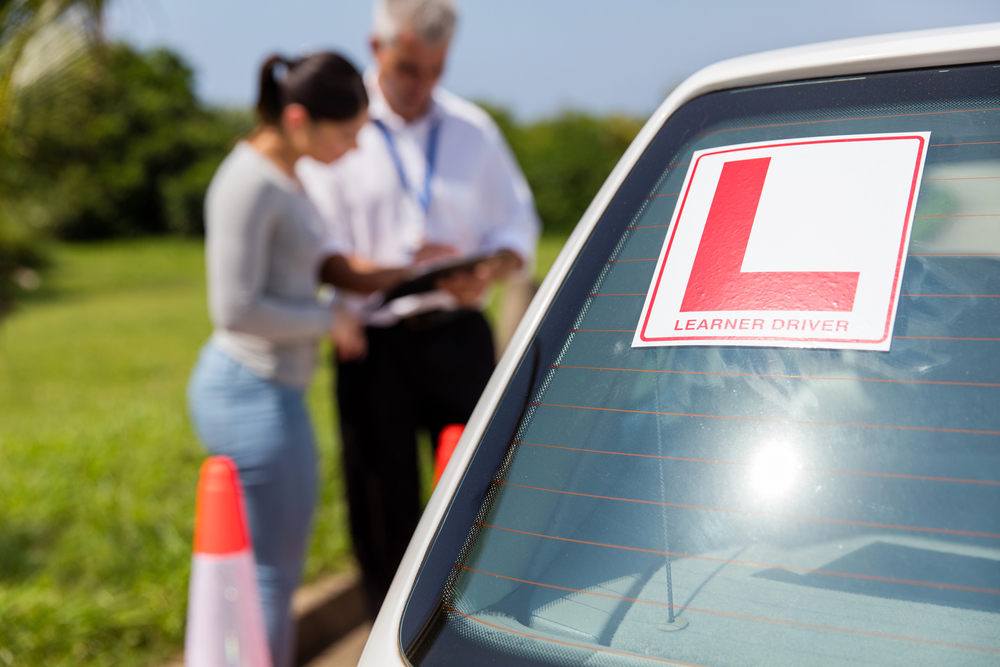
Getting a driver’s license is a rite of passage, a symbol of freedom and independence. We learn the basic rules of the road, how to operate a vehicle, and how to pass a driving test. But what happens after that? For most, driving becomes a routine activity, something done on autopilot. This complacency can be dangerous. The road is an unpredictable environment, filled with distracted drivers, unexpected hazards, and challenging weather conditions. Simply knowing how to drive isn’t enough; knowing how to survive on the road is what truly matters. This is where defensive driving comes in.
A defensive driving course is not just for new drivers or those with a history of traffic violations. It’s a vital educational tool for every single person who gets behind the wheel. It transforms your mindset from a passive operator to a proactive strategist, equipping you with the skills to anticipate dangers, make smart decisions, and maintain control in situations where others might panic. Whether it’s saving money on insurance, reducing points on your license, or, most importantly, protecting your life and the lives of others, the benefits are too significant to ignore. This guide will explore the profound impact a defensive driving course can have on your skills, your finances, and your safety.
What is Defensive Driving, Really?
At its core, defensive driving is the practice of anticipating potential hazards and taking action to avoid them before they become dangerous situations. It’s about driving to save lives, time, and money, in spite of the conditions around you and the actions of others. It moves beyond the simple mechanics of operating a car and focuses on awareness, judgment, and planning.
Think of it as the difference between playing checkers and playing chess. A novice driver reacts to the move directly in front of them—the car stopping, the light turning red. A defensive driver, like a chess master, thinks several moves ahead. They are constantly scanning their environment, predicting the actions of other drivers, and creating a safety cushion around their vehicle. This proactive approach is the foundation of safe driving.
A formal course, like a Defensive Driving program, codifies these practices into a structured curriculum. It teaches specific techniques and strategies designed to handle the most common and dangerous scenarios on the road. The goal is to empower drivers with the knowledge and confidence to prevent collisions and navigate traffic safely.
The Core Principles of Defensive Driving
While courses may vary, they all revolve around a few key principles that fundamentally change how you view the road.
- Awareness: This is the most critical element. It involves being conscious of everything happening around your vehicle. This isn’t just about looking at the car in front of you. It’s about checking your mirrors every few seconds, monitoring your blind spots, being aware of pedestrians and cyclists, and observing the behavior of drivers two or three cars ahead.
- Space Management: A defensive driver maintains a safe following distance, creating a buffer zone that allows for adequate reaction time. The “three-second rule” is a common technique taught, where you ensure at least three seconds of travel time between you and the vehicle ahead. This space gives you the option to brake or maneuver safely if something unexpected occurs.
- Speed Management: Driving at a speed that is appropriate for the conditions is crucial. This doesn’t always mean driving at the posted speed limit. A defensive driver adjusts their speed for rain, snow, fog, heavy traffic, or construction zones. The right speed provides more time to react and reduces the severity of a collision if one occurs.
- Anticipation: This involves predicting what other road users might do. Does that driver look like they’re about to change lanes without signaling? Is a child about to chase a ball into the street? By anticipating these potential actions, you can prepare to react defensively, such as by covering your brake or adjusting your lane position.
These principles work together to create a comprehensive safety system. By mastering them, you take control of your own safety, rather than leaving it to chance or the skill of other drivers.
The Financial Perks: Lower Insurance and Point Reduction
While safety is the primary motivation for taking a defensive driving course, the financial benefits are a powerful incentive. The cost of the course is often quickly offset by the money you save.
Slash Your Insurance Premiums by 10%
Car insurance companies are in the business of risk assessment. The higher the risk a driver presents, the higher their premiums will be. Drivers who have completed a state-certified defensive driving course are statistically less likely to be involved in an accident. Insurers recognize this reduced risk and reward these proactive drivers with significant discounts.
In New York State, for example, completing a DMV-approved Defensive Driving course mandates a 10% reduction in your automobile liability, no-fault, and collision insurance premiums. This discount lasts for three full years. Consider the average cost of car insurance; a 10% savings can add up to hundreds, or even thousands, of dollars over that three-year period. The one-time investment in the course pays for itself many times over.
This isn’t just a gimmick; it’s a calculated business decision by insurance providers. They know that educated drivers are safer drivers, which means fewer claims to pay out. It’s a win-win situation: you become a better driver and pay less, while the insurance company reduces its financial exposure.
Reduce Points on Your Driving Record
Traffic violations happen. A momentary lapse in judgment can lead to a speeding ticket or another moving violation, resulting in points being added to your driver’s license. Accumulating too many points in a short period can lead to steep fines, license suspension, or even revocation.
A defensive driving course offers a direct remedy for this. In New York, completing the 6-hour course can subtract up to four points from your driving record. This can be the difference between maintaining your driving privileges and facing serious penalties. It’s important to note that the course removes points to prevent a suspension; it does not erase the violation from your record entirely. However, for the purposes of calculating a point-based suspension, it’s an invaluable tool.
This point reduction benefit is a second chance. It demonstrates to the DMV that you are taking responsibility for your actions and are committed to improving your driving habits. It’s a proactive step that shows you are dedicated to becoming a safer, more responsible member of the driving community. Taking a course can be a crucial step in protecting your license and your ability to drive.
Beyond the Rules: Advanced Techniques That Save Lives
A standard driver’s education program teaches you how to pass the test. A defensive driving course teaches you how to survive the realities of the road. It equips you with a toolbox of advanced techniques that can be the difference between a close call and a catastrophic accident.
Mastering the SEE System: Search, Evaluate, Execute
One of the foundational concepts taught in many defensive driving programs is the SEE system. It’s a simple yet powerful framework for making decisions in a dynamic driving environment.
- Search: This is the active, systematic scanning of your surroundings. You’re not just looking; you’re searching for potential hazards. This includes the road ahead, to the sides, and behind you. You search for other vehicles, pedestrians, traffic signals, road signs, and changing surface conditions. The goal is to gather as much information as possible.
- Evaluate: Once you’ve identified a potential hazard, you must evaluate the risk. How likely is it to affect you? For example, if you see a car braking sharply two vehicles ahead, you evaluate that this will cause a chain reaction. If you see a pedestrian standing at a crosswalk, you evaluate the possibility that they will step out into traffic. This stage is about risk assessment and prediction.
- Execute: Based on your evaluation, you execute a specific action to mitigate the risk. This might mean covering your brake, changing lanes, reducing your speed, or gently tapping your horn to alert another driver. The execution should be smooth, deliberate, and communicated clearly to other drivers when necessary (e.g., using your turn signal).
The SEE system becomes second nature with practice. It turns driving from a passive activity into an engaged, cognitive process, ensuring you are always prepared for the unexpected.
The Art of Escape Routes
Defensive drivers always have an “out.” They constantly assess their surroundings to identify potential escape routes—an open lane, the shoulder of the road, or another space they can move into to avoid a collision. When you’re boxed in by traffic, your options are limited. A defensive driver manages their position to ensure they are never fully trapped.
This involves positioning your vehicle in a way that maximizes your visibility and your options. For example, when stopped in traffic, leave enough space in front of you to pull around the car ahead if it stalls or if you see a vehicle approaching too quickly from behind in your rearview mirror. When driving on a multi-lane highway, try to avoid lingering in another driver’s blind spot and position yourself so that you have an open lane to your side whenever possible.
Handling Adverse Conditions with Confidence
Rain, snow, fog, and high winds can challenge even the most experienced drivers. A defensive driving course provides specific strategies for managing these conditions safely. You’ll learn:
- How to avoid hydroplaning and what to do if it happens.
- The proper technique for steering out of a skid on ice or snow.
- Why cruise control is dangerous in wet or icy conditions.
- How to increase your visibility and make yourself more visible to others in fog or heavy rain.
Learning these techniques in a classroom setting prepares you to act calmly and correctly when you face these situations on the road. This preparation can prevent a loss of control and a potentially devastating accident. Many drivers who have taken the course share how these skills made a real difference, as you can see from their testimonials.
Why Defensive Driving is Essential for All Ages
The benefits of defensive driving are not limited to a specific demographic. Drivers at every stage of life can gain immense value from this training.
For Young and Inexperienced Drivers
Teenage drivers are statistically at the highest risk for accidents due to a combination of inexperience and a still-developing prefrontal cortex, the part of the brain responsible for judgment and impulse control. For them, a defensive driving course is not just beneficial—it should be considered essential.
While they may have just completed a 5 Hour Pre-Licensing Class and passed their road test, this foundational knowledge is only the beginning. A defensive driving course builds upon that foundation, teaching them to recognize and respond to hazards they haven’t yet encountered. It reinforces the dangers of distracted driving (texting, social media) and impaired driving, issues that are particularly prevalent among young people. The course provides a controlled environment to discuss real-world scenarios and develop life-saving habits before bad ones can form.
For Experienced Adult Drivers
Over time, even the best drivers can develop bad habits. Complacency sets in. We start following too closely, rolling through stop signs, or checking our phones at red lights. A defensive driving course serves as a critical refresher, bringing safety back to the forefront of our minds.
It reminds us of techniques we may have forgotten and introduces new strategies we may have never learned. Road laws change, vehicle technology evolves, and traffic patterns become more complex. A defensive driving course helps experienced drivers stay current and sharp. It breaks the cycle of autopilot driving and re-engages the driver’s mind, making them more attentive and prepared. Plus, the insurance discount is a welcome benefit for any household budget.
For Senior Drivers
As we age, changes in vision, hearing, and reaction time can affect our driving abilities. A defensive driving course can be an excellent way for senior drivers to adapt their driving habits to these changes. The course can help them learn to compensate for slower reflexes by increasing following distances and scanning farther ahead. It can also provide tips for navigating complex intersections and heavy traffic, which may have become more intimidating over the years. This training can boost confidence and help senior drivers maintain their independence and mobility safely for longer.
Taking the Next Step: Your Commitment to Safety
The evidence is clear: a defensive driving course is one of the single best investments you can make in your safety and financial well-being. It goes far beyond fulfilling a requirement or getting a discount. It’s about fundamentally changing your relationship with driving. It empowers you with the skills to protect yourself, your passengers, and everyone else on the road.
You will learn to see the road not as a simple path from point A to B, but as a complex, dynamic environment that requires your full attention and strategic thinking. You will gain the confidence to handle difficult situations and the wisdom to avoid them in the first place.
Whether you’re a new driver eager to build a strong foundation, an experienced driver looking for a refresher, or someone who wants to save money and reduce points on their license, the benefits are undeniable. Don’t wait for a close call or a traffic ticket to remind you of the importance of safe driving. Be proactive. Take control of your safety today.
If you have more questions or are ready to enroll in a course that can provide these incredible benefits, feel free to contact us. Our team is ready to help you on your journey to becoming a safer, more confident, and more defensive driver.
Learn to Drive with Superior Driving School
We believe these lessons can last a lifetime and know they result in safer roads and save lives! We have been a trusted Queens NY driving school for more than two decades!
Contact Us