Queens is more than just a borough of New York City; it’s a vibrant mosaic of cultures, communities, and landscapes. From the dense residential streets of Jackson Heights and Flushing to the commercial thoroughfares of Jamaica Avenue and Queens Boulevard, driving here presents a unique set of challenges. Unlike the predictable grid of Manhattan, Queens offers a diverse and often confusing mix of narrow one-way streets, bustling shopping districts, and quiet suburban-style roads, all within a few blocks of each other.
Navigating this environment safely requires more than just a driver’s license. It demands a heightened sense of awareness, a deep understanding of local traffic patterns, and a mastery of defensive driving techniques. The combination of high pedestrian activity, double-parked cars, and a constant flow of buses and trucks creates a complex driving scenario where split-second decisions matter. This guide will provide practical, neighborhood-specific strategies to help you conquer the streets of Queens and ensure every trip is a safe one.
The Unique Driving Challenges of Queens
To drive safely in Queens, you must first understand the specific obstacles you’ll face. The borough’s character is defined by its diversity, and this extends to its roadways.
- Narrow Residential Streets: Neighborhoods like Astoria, Ridgewood, and Sunnyside are characterized by narrow, often one-way streets lined with parked cars on both sides. This dramatically reduces maneuverable space and creates tight squeezes, especially with oncoming traffic or delivery trucks.
- Extreme Pedestrian Density: In commercial hubs like Flushing, Jackson Heights, and Jamaica, sidewalks are overflowing with people. Pedestrians, often distracted, can step into the street unexpectedly at any moment, not just at crosswalks.
- Double-Parking Culture: From delivery trucks servicing local businesses to residents quickly running errands, double-parking is a constant feature. This obstructs lanes, creates blind spots, and forces drivers to merge suddenly into moving traffic.
- Aggressive and Impatient Drivers: The “New York minute” mentality is alive and well on the roads of Queens. You will encounter drivers who tailgate, change lanes without signaling, and honk impatiently, creating a stressful and high-risk environment.
- Complex Intersections and Boulevards: Queens Boulevard, once nicknamed the “Boulevard of Death,” is a prime example of the borough’s complex roadways. Multi-lane boulevards with service roads, confusing turning lanes, and heavy traffic flow require intense concentration.
A dedicated Defensive Driving course is designed to address these exact challenges, teaching you to anticipate hazards and manage the specific risks of urban driving.
Strategy 1: Master the Narrow Streets and Double-Parking
In many Queens neighborhoods, the biggest challenge is simply fitting through. Navigating streets where parked cars create a narrow channel for traffic requires patience, precision, and spatial awareness.
Anticipate and Communicate
- Scan Ahead for Blockages: As you drive down a narrow street, your eyes should be scanning far ahead for obstructions. Look for double-parked cars, delivery trucks, or city buses. Identifying a blockage early gives you time to plan your maneuver instead of reacting at the last second.
- Yield to Oncoming Traffic: If you see an oncoming car and a double-parked vehicle ahead, the driver with the clear lane has the right-of-way. It is safer to slow down and find a gap between parked cars to pull into, allowing the other vehicle to pass before you proceed around the obstruction. Trying to “beat” the other car often leads to a standoff or a side-swipe.
- The Art of the Merge: When you have to go around a double-parked car, the process must be deliberate. Signal your intention to merge, check your mirrors, and perform a physical head check to ensure the adjacent lane is clear. You must yield to traffic already in that lane. A common mistake is to slowly drift into the lane, assuming other drivers will make room. This is a dangerous assumption. Wait for a safe gap.
Be Wary of Hidden Dangers
Double-parked vehicles create massive blind spots. A child could dart out from between them, or a car door could swing open. Always reduce your speed when passing a double-parked car and position your vehicle as far from it as is safely possible within your lane.
Strategy 2: Navigate High Pedestrian and Cyclist Zones
Areas like Roosevelt Avenue, Main Street in Flushing, and Jamaica Avenue are essentially pedestrian plazas with cars permitted. Your mindset must shift from “driving” to “navigating through a crowd.”
Lower Your Speed, Heighten Your Awareness
- Drive Below the Speed Limit: In these zones, the posted speed limit is often too fast for the conditions. Reduce your speed to a crawl (10-15 mph) to give yourself maximum time to react.
- Assume the Unexpected: Operate under the assumption that any pedestrian could step into the road at any time without looking. Pay close attention to people on their phones, parents with children, and elderly individuals who may move more slowly.
- Make Eye Contact: At crosswalks and intersections, try to make eye contact with pedestrians and cyclists. This non-verbal communication confirms that you see each other and reduces the chance of a misunderstanding. Do not proceed until you are certain they are yielding to you.
- Look for Gaps in Crowds: A gap in a crowd of pedestrians on the sidewalk could mean someone is about to jaywalk. Cover your brake as you approach these areas.
Respect the Bike Lanes
Queens has a growing network of bike lanes. These are not passing lanes or temporary parking spots.
- Check Before Turning: The “right hook” is a common and dangerous collision where a car turning right cuts off a cyclist proceeding straight. Always check your right-side mirror and blind spot for cyclists before initiating a right turn.
- Give Them Space: When passing a cyclist, give them at least three feet of space. A sudden gust of wind or a pothole could cause them to swerve unexpectedly.
These are the kinds of real-world skills that move beyond a basic 5 Hour Pre-Licensing Class and are honed through experience and advanced training.
Strategy 3: Conquer Queens Boulevard and Major Arteries
Driving on major thoroughfares like Queens Boulevard, Woodhaven Boulevard, or the Grand Central Parkway presents a different set of challenges: high speeds, multiple lanes, and complex interchanges.
Lane Discipline and Positioning
- Choose a Lane and Stay In It: Constant weaving through traffic is exhausting and dramatically increases your risk of a collision. Pick the lane that best suits your needs—the right lane for upcoming exits, the center lane for cruising—and stay there.
- Find Your “Pocket”: Avoid driving in large, tight packs of cars. Adjust your speed to find a safe “pocket” with a good space cushion in front, behind, and to the sides. This gives you more time to react and multiple escape routes if a problem develops ahead.
- Master the Service Road: On Queens Boulevard, understanding the service road is key. If you need to make a right turn or access local businesses, move to the service road well in advance. Sudden, last-minute dives from the main roadway to the service road are a recipe for disaster.
Proactive Scanning and Following Distance
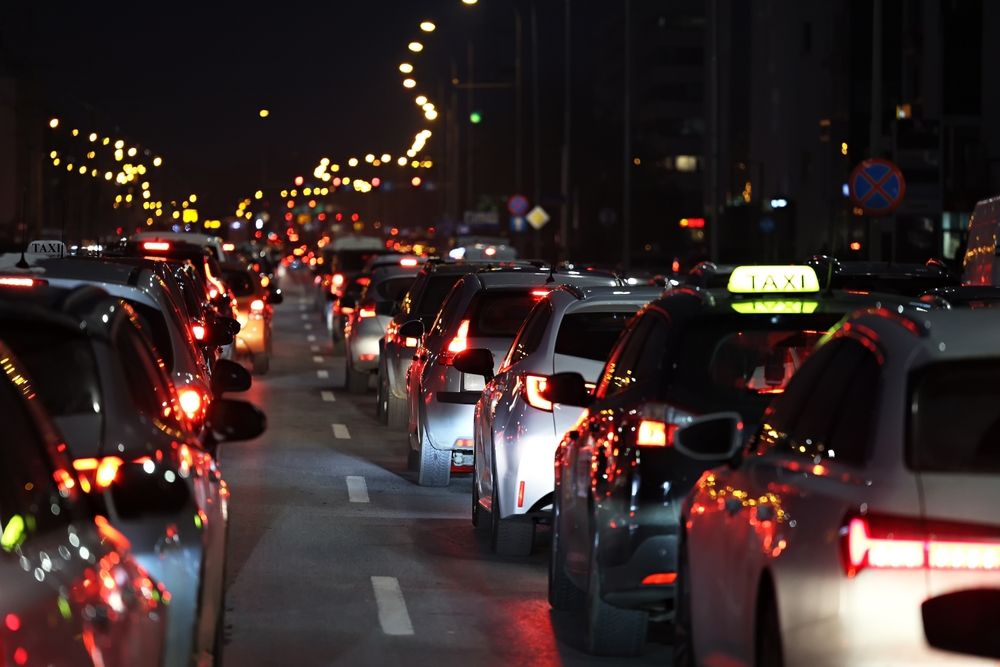
The higher speeds on these roads mean that a proper following distance is non-negotiable. The 4-second rule is your best friend. It gives you the time and space to brake smoothly when traffic inevitably comes to a sudden halt. Your eyes should be scanning far ahead, watching for brake lights several cars up to get the earliest possible warning of a slowdown.
Strategy 4: The Defensive Mindset for Queens
Ultimately, surviving the streets of Queens is about your attitude and approach. You cannot control other drivers, but you can control your own actions and reactions.
Be Patient, Not Passive
Patience is the ultimate virtue when driving in Queens. Accept that there will be delays, you will get cut off, and people will make mistakes. Getting angry or retaliating only escalates the situation. However, patience does not mean being passive. Be assertive and confident in your maneuvers, but always prioritize safety.
Eliminate Distractions
The cognitive load of driving in Queens is immense. You need all of your brainpower focused on the road. This means your phone must be silenced and put away. Trying to text, talk, or check notifications while navigating these streets is a gamble you cannot afford to take. The stories from our students in their testimonials frequently highlight how learning to focus was the key to their confidence.
Never Assume
- Don’t assume a driver will stop at a stop sign.
- Don’t assume a turn signal means a driver will actually turn.
- Don’t assume a green light means the intersection is clear.
- Don’t assume another driver will let you merge.
Verify everything with your own eyes. This vigilant, slightly skeptical approach will keep you out of trouble.
The Best Preparation: Professional Training
Reading about these techniques is one thing; internalizing them is another. The skills required to drive safely in Queens are best learned through structured, professional driving lessons with an instructor who understands the local environment. An experienced instructor can provide real-time feedback, help you build confidence, and drill the defensive driving habits that will protect you for a lifetime.
From mastering parallel parking on a tight street in Sunnyside to navigating the chaos of Main Street in Flushing, guided practice is invaluable. It builds the muscle memory and mental framework needed to handle these challenges automatically and calmly.
Driving in Queens can be a stressful experience, but it doesn’t have to be. By understanding the unique challenges, adopting specific defensive strategies, and committing to a mindset of patience and vigilance, you can navigate the borough’s busiest neighborhoods with confidence and safety.
If you’re ready to master the streets of Queens and become a safer, more skilled urban driver, we’re here to help. Contact us today to learn more about our tailored driving lessons and defensive driving courses designed for the real-world conditions you face every day.
Learn to Drive with Superior Driving School
We believe these lessons can last a lifetime and know they result in safer roads and save lives! We have been a trusted Queens NY driving school for more than two decades!
Contact Us