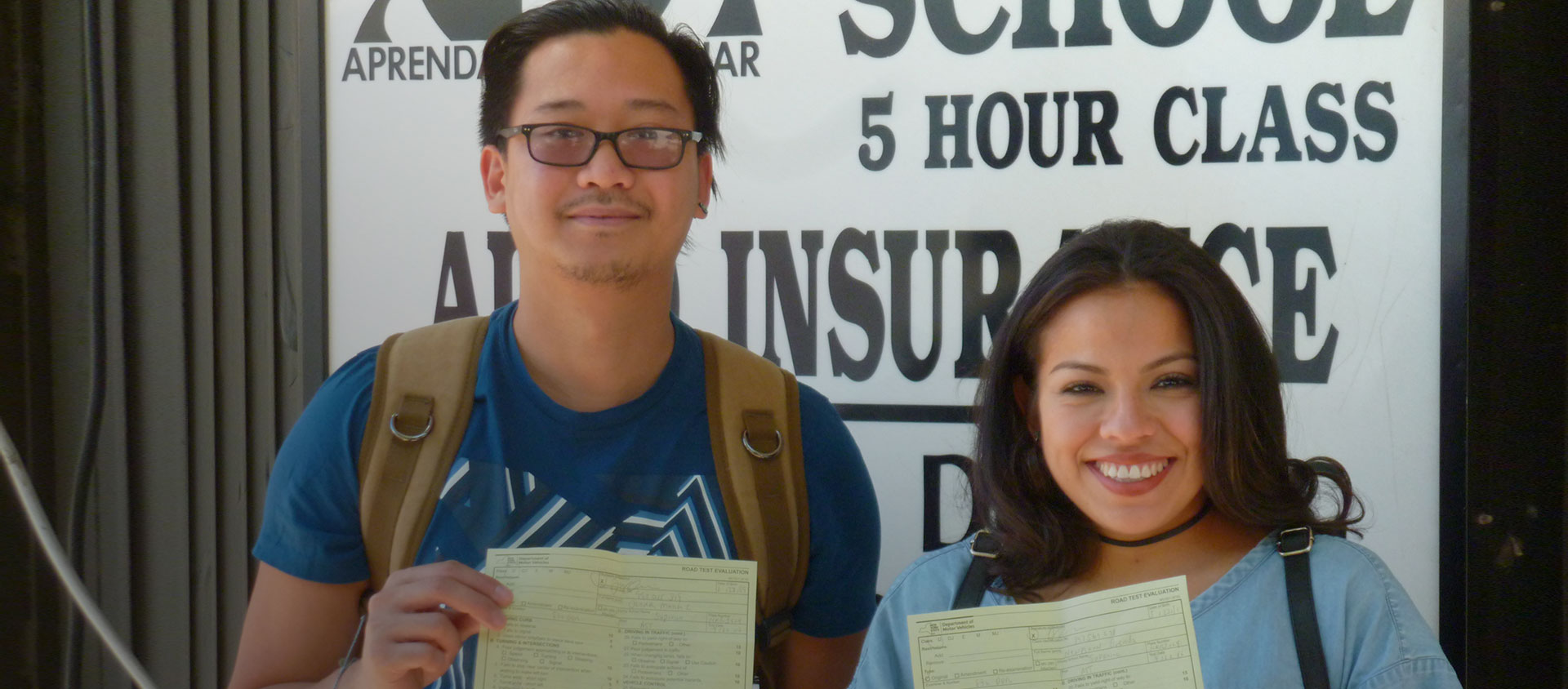

For most new drivers, the road test is the final boss battle. You have spent hours learning the rules, practicing maneuvers, and getting comfortable behind the wheel. Yet, the thought of a 15-minute evaluation with a silent examiner can trigger a level of anxiety that makes even the most prepared student feel shaky. A racing heart, sweaty palms, and a mind that suddenly goes blank are all common symptoms of test-day nerves. The good news is that this anxiety, while normal, is manageable.
The key to passing your road test isn’t just about your driving skill; it’s about your ability to perform that skill under pressure. Nerves can cause you to make simple mistakes you wouldn’t normally make, turning a confident driver into a hesitant one. This guide is dedicated to helping you conquer that anxiety. We will explore practical, actionable strategies that go beyond just “don’t be nervous.” From deep preparation and physical relaxation techniques to powerful mindset shifts, these tips will equip you to walk into your road test feeling calm, focused, and ready to succeed.
Understanding Road Test Anxiety
Before you can manage your nerves, it helps to understand why they happen. Road test anxiety is a form of performance anxiety. It stems from a few core fears: the fear of failure, the fear of being judged by the examiner, and the fear of the unknown. Your body’s “fight or flight” response kicks in, releasing adrenaline and cortisol, which are responsible for the physical symptoms you feel.
Recognizing that this is a natural biological reaction is the first step. You are not alone in feeling this way. In fact, most people do. The goal isn’t to eliminate nervousness entirely—a little bit of adrenaline can actually sharpen your focus—but to prevent it from overwhelming you and hijacking your performance. The following strategies are designed to do just that.
Part 1: The Ultimate Calming Tool is Preparation
The most effective antidote to anxiety is confidence, and true confidence is born from thorough preparation. The more you practice and the more you know what to expect, the less room there is for fear of the unknown to take root.
Master the Fundamentals Through Repetition
“Practice makes perfect” is a cliché for a reason. The more you perform a task, the more it moves from a conscious, stressful effort to an automatic, ingrained skill. This is what you are aiming for with your driving.
- Practice Beyond “Good Enough”: Don’t just practice parallel parking until you get it right once. Practice until you can’t get it wrong. Repeat it over and over, in different spots and situations. The same goes for three-point turns, lane changes, and smooth braking. This muscle memory will be your best friend when nerves try to cloud your judgment.
- Simulate the Test: Ask your supervising driver or a professional instructor to conduct mock road tests with you. Have them play the part of a silent examiner, giving only basic directions. This gets you accustomed to the quiet, evaluative atmosphere of the real test, making it feel less intimidating on the day.
- Know Your Test Area: If you know which DMV site you’ll be testing at in Queens, spend significant time driving in that area. Get familiar with the speed limits, the intersection types, the street signs, and the general traffic flow. Familiarity breeds comfort and reduces the chance of being surprised by an unexpected “No Turn on Red” sign. Our professional driving lessons are specifically tailored to the local test routes for this very reason.
Eliminate All Logistical Worries
Anxiety loves uncertainty. One of the best ways to stay calm is to eliminate every possible non-driving-related stressor on the day of your test.
- The Paperwork Drill: Weeks before your test, locate your original learner’s permit and your original 5-Hour Course certificate (MV-278). Put them in a specific, safe folder. The night before your test, double-check that they are in the folder and put it by the door. Waking up and frantically searching for a required document is a guaranteed way to start the day with a massive dose of anxiety. Remember, the 5-Hour Pre-Licensing Class is a mandatory prerequisite, and you cannot take the test without proof of completion.
- Vehicle Readiness: If you’re using a personal car, ensure it’s test-ready well in advance. Check the horn, signals, brake lights, and tires a few days before, not the morning of. A last-minute discovery of a burned-out bulb can send you into a panic. To completely remove this worry, consider using our “Car for Road Test” service. Our vehicles are always DMV-compliant, so you have zero risk of a vehicle-related failure.
- Plan Your Route and Arrival: Know exactly how to get to the test site and how long it takes. Add at least 30 extra minutes to your travel time to account for traffic or unforeseen delays. Arriving late and rushing to check-in is a recipe for a frazzled mind. Arriving early gives you time to park, breathe, and center yourself.
Part 2: Mindset Shifts for a Confident Test
How you think about the road test has a tremendous impact on how you feel. You can actively reframe your thoughts from a negative, fearful perspective to a positive, empowered one.
The Examiner is Not Your Enemy
Many test-takers see the examiner as an adversary, someone looking for a reason to fail them. This is the wrong mindset.
- Reframe Their Role: The examiner is a public safety official, not a judge of your personal worth. Their job is simply to verify that you meet the minimum safety standards to drive alone. They are following a standardized checklist. It is not personal. They want to see you demonstrate competence so they can pass you and move on to the next test.
- Control What You Can Control: You cannot control the examiner’s mood, the weather, or the traffic. Fretting about these things is a waste of mental energy. Focus 100% of your attention on the things you can control: your steering, your speed, your observation, and your signaling. When you focus on your own actions, you feel more in control and less anxious.
It’s Just a Drive
You are putting immense pressure on these 15 minutes, building them up in your mind as a monumental, life-altering event. Try to bring it back into perspective.
- Lower the Stakes: While it feels huge, this is simply a short drive to demonstrate skills you already have. You have successfully driven for hours to get to this point. This is just one more drive. Tell yourself, “I’m just going to go for a short, safe drive with someone in the passenger seat.”
- Failing is Not the End of the World: This is a crucial mindset shift. The absolute worst-case scenario is that you don’t pass. If that happens, you get a piece of paper with valuable feedback on what to practice, and you can reschedule the test. That’s it. You are not a bad person, and it doesn’t mean you’ll never get your license. Many safe, excellent drivers did not pass on their first try. Reading through our testimonials page, you’ll see students who passed on their second try and are now confident drivers. Allowing yourself to accept this possibility removes the “do-or-die” pressure that fuels anxiety.
Visualize Success
Top athletes use visualization to prepare for big competitions, and you can use the same technique.
- Create a Mental Movie: In the days leading up to your test, take a few minutes each day to close your eyes and mentally rehearse the entire process. Picture yourself waking up calm, grabbing your documents, and arriving early. Visualize yourself getting into the car, greeting the examiner politely, and pulling away from the curb smoothly. See yourself perfectly executing a three-point turn and nailing your parallel park. Imagine returning to the test site and hearing the examiner say, “You passed.” This mental practice builds a neurological pattern for success and makes the real event feel like something you’ve already done before.
Part 3: Physical Techniques to Tame Your Nerves
Anxiety isn’t just in your head; it’s a physical experience. Using your body to calm your mind can be incredibly effective, especially in the moments right before and during your test.
The Power of Your Breath
When you get nervous, your breathing becomes shallow and rapid, which heightens your body’s stress response. You can interrupt this cycle by consciously controlling your breath.
- Box Breathing: This is a simple and powerful technique used by Navy SEALs to stay calm under pressure.
- Inhale slowly through your nose for a count of four.
- Hold your breath for a count of four.
- Exhale slowly through your mouth for a count of four.
- Hold your breath for a count of four.
- Repeat.
Do this for a few minutes while you are waiting for your test to begin. It slows your heart rate and signals to your nervous system that you are safe.
- The “Sigh” Technique: Before you pull away from the curb, take a deep inhale and then let it out with a long, audible sigh. This physiological sigh is one of the fastest ways to reduce your level of autonomic arousal (the “fight or flight” feeling).
Stay Grounded in the Present
Anxiety is often caused by worrying about the future (what if I fail?) or ruminating on the past (what if I mess up like I did last time?). Grounding techniques bring your focus back to the present moment.
- The 5-4-3-2-1 Method: While you are waiting in the car, silently identify:
- 5 things you can see (the steering wheel, a tree, the mirror, your hands, a crack in the pavement).
- 4 things you can feel (the texture of the seat, your feet on the floor, the seatbelt against your shoulder, the key in the ignition).
- 3 things you can hear (the car’s engine, a distant bird, your own breathing).
- 2 things you can smell (the car’s air freshener, the outside air).
- 1 thing you can taste (your mint, the coffee you drank).
This forces your brain to focus on your immediate sensory experience, leaving no room for anxious thoughts.
Smart Nutrition and Hydration
What you put into your body on test day matters.
- Eat a Balanced Meal: Have a light but balanced meal an hour or two before your test. Something with protein and complex carbs (like oatmeal or eggs with toast) will provide sustained energy. A sugary breakfast can lead to a crash, and an empty stomach can make you feel jittery.
- Limit Caffeine: If you’re a daily coffee drinker, have a small amount if you need it to avoid a withdrawal headache. However, avoid having more than usual. Caffeine is a stimulant and can amplify the physical symptoms of anxiety, like a racing heart and shaky hands.
- Stay Hydrated, But Be Smart: Drink water, but don’t overdo it right before your test. The last thing you want is the added distraction of needing to use the restroom.
Your Final Pre-Test Calming Routine
The 30 minutes before your test are prime time for nerves to spike. Having a set routine can keep you in a calm, focused headspace.
- Arrive Early: Get to the site with time to spare.
- Final Check: Quickly confirm you have your permit and certificate.
- Turn Off Your Phone: Remove the temptation to distract yourself or receive a stressful text.
- Breathe: Spend five minutes practicing box breathing.
- Positive Self-Talk: Repeat a simple, positive mantra to yourself. “I am a safe, capable driver.” “I am prepared for this.” “I will stay calm and focused.”
- Trust Your Training: Remind yourself of all the hours you’ve put in. Your training is what will carry you through. Whether you took a full beginner package or just a few brush-up lessons, you have invested in your skills. Trust that investment. For those who want to build even deeper skills, a Defensive Driving course is an excellent way to boost your overall road awareness and confidence.
The ability to stay calm during your road test is a skill you can learn and practice, just like parallel parking. By combining deep preparation with powerful mindset shifts and physical relaxation techniques, you can walk into that test feeling not an absence of fear, but a presence of confidence. You are more prepared than you think you are. Trust your practice, trust your instructor, and trust yourself.
If test anxiety is a major hurdle for you, please don’t hesitate to contact us. We can discuss specific lesson plans and mock tests designed to build your confidence and help you overcome your nerves. You have what it takes to pass. Now, go show them.
Learn to Drive with Superior Driving School
We believe these lessons can last a lifetime and know they result in safer roads and save lives! We have been a trusted Queens NY driving school for more than two decades!
Contact Us